With the rapid development of the automotive industry, the remanufacturing of high-value parts from end-of-life vehicles has become a crucial link in resource recycling. As the core component of automobiles, transmissions—especially components like torque converters and oil pumps—are prone to forming contaminants such as rust layers and oxide layers on their surfaces. The cleaning effect directly affects remanufacturing quality. Traditional cleaning methods such as mechanical grinding and chemical cleaning suffer from drawbacks like substrate damage, environmental pollution, and low efficiency. Pulsed laser cleaning, leveraging advantages of micro-damage, environmental friendliness, precision, and high efficiency, is emerging as a popular technology in the automotive parts remanufacturing field, offering a new path for industry upgrading.
Why Pulsed Laser Cleaning Fits Automotive Parts Remanufacturing?
Pulsed laser cleaning is a technology that uses high-energy nanosecond pulsed lasers to act rapidly on contaminant surfaces. Through physical effects such as thermal ablation, vaporization, and phase explosion, it detaches rust layers, oxide layers, and other pollutants from the substrate to achieve cleaning. Compared with traditional cleaning technologies, it requires no chemical reagents or mechanical contact, minimizing damage to the integrity of part substrates—making it particularly suitable for cleaning precision components like transmission parts.
The surface of automotive transmission torque converter housings is often covered with a 3.2-7.3μm light yellow rust remover coating, while oil pump housings have irregular oxide layers of 6.2-18.7μm. These contaminants have complex structures and uneven thicknesses, which are difficult to remove thoroughly with traditional cleaning methods without damaging the substrate. Pulsed laser cleaning can accurately match contaminant characteristics by adjusting parameters: for example, lower energy density for thin coatings and optimized power and cleaning times for thick oxide layers. This achieves efficient cleaning while avoiding damage to base materials such as S355 steel and S420MC steel, perfectly meeting the stringent requirements of automotive parts remanufacturing.
Core Process Parameters: Key to Achieving Ideal Cleaning Results
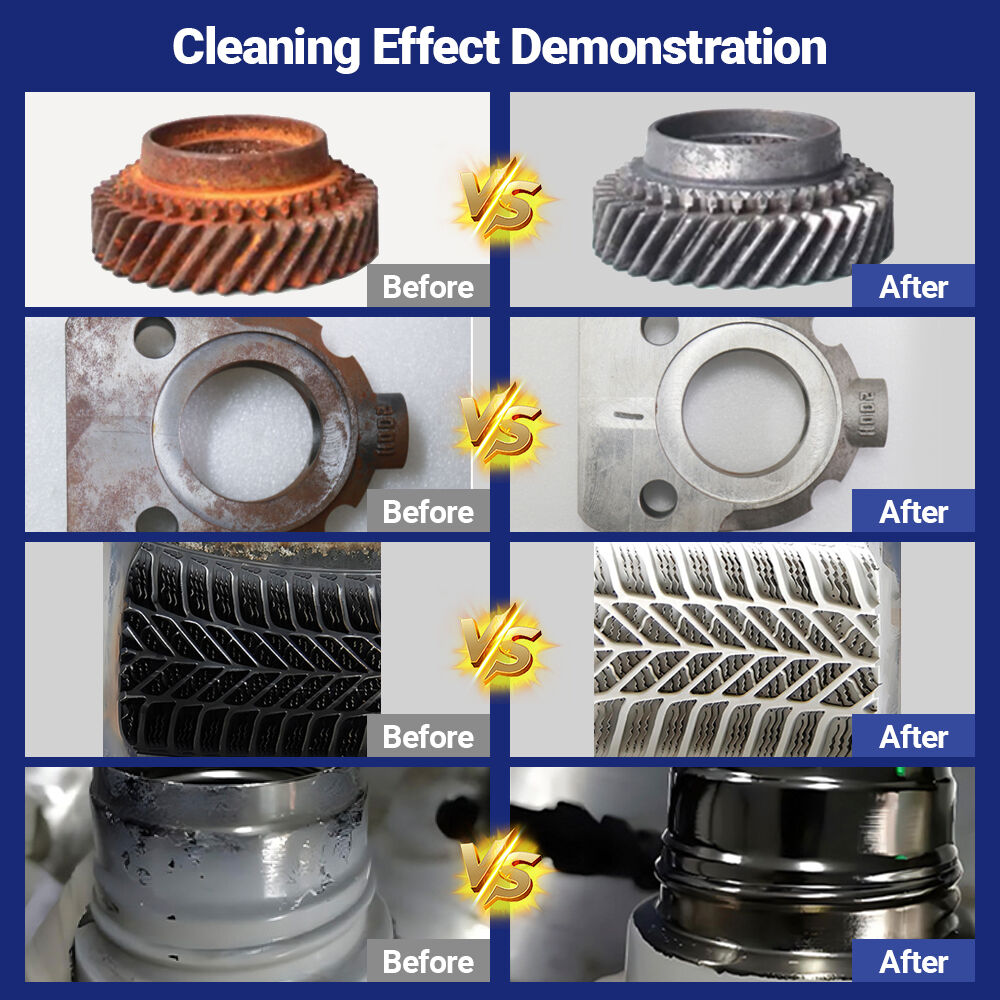
The effectiveness of pulsed laser cleaning depends on the reasonable combination of core process parameters such as average power, repetition frequency, scanning speed, and cleaning times, which need to be optimized for different parts. For key transmission components, the optimal process combination for torque converter housings is an average power of 45W and a repetition frequency of 30kHz, ensuring complete coating removal and a silver-white substrate surface. Oil pump housings, on the other hand, are best suited for parameters of 30W average power, 10 cleaning cycles, and 1500mm/s scanning speed, enabling efficient oxide layer removal without affecting substrate performance.
The priority of these parameters varies: for torque converter housings, average power has a greater impact than repetition frequency; for oil pump housings, cleaning effectiveness is mainly dominated by average power, followed by cleaning times and scanning speed. Optimizing parameter combinations through orthogonal experiments can achieve nearly 100% contaminant removal rate and surface oxygen content close to zero, laying a solid foundation for subsequent remanufacturing processes. Additionally, the energy density of pulsed lasers must be strictly controlled between the cleaning threshold and damage threshold. For example, the cleaning threshold of torque converter housings is 5.10J/cm², and the damage threshold is 40.56J/cm². Precisely controlling the energy range is critical for safe and efficient cleaning.
Unveiling the Cleaning Mechanism: How Does Pulsed Laser "Strip" Contaminants?
The core mechanism of pulsed laser cleaning lies in the interaction between lasers and materials, presenting multi-stage characteristics with varying energy densities. When the energy density is between 4.59-5.10J/cm², laser energy causes slight sliding on the contaminant surface, making it smoother. As the energy density increases to 5.10-15.59J/cm², laser beams interfere with the surface to form ripple structures, achieving non-flat melting. When the energy density exceeds 15.59J/cm², contaminants undergo sequential melting and vaporization phase transitions, accompanied by thermal ablation. Plasma is generated when the energy density reaches 25.5J/cm², further enhancing the cleaning effect. When the energy density reaches as high as 50.95J/cm², phase explosion occurs, enabling intense contaminant detachment.
In automotive parts cleaning, this mechanism can accurately adapt to different contaminant characteristics: for rust remover coatings, melting and vaporization at lower energy densities are sufficient for removal; for thicker oxide layers, increasing energy density to utilize phase explosion and plasma effects achieves thorough cleaning. The entire process leaves no residual contaminants or secondary pollution, perfectly aligning with the development concept of green remanufacturing.
Industrial Applications and Development: From Laboratory to Large-Scale Application
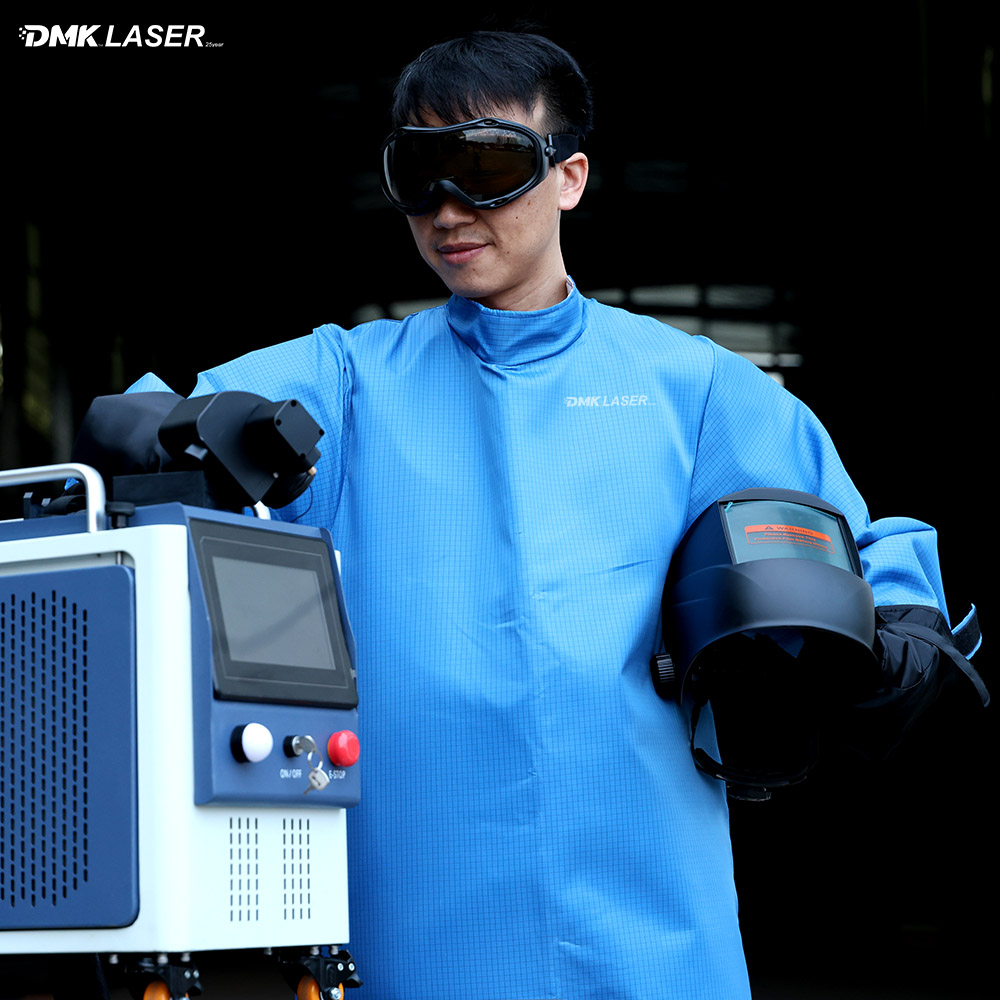
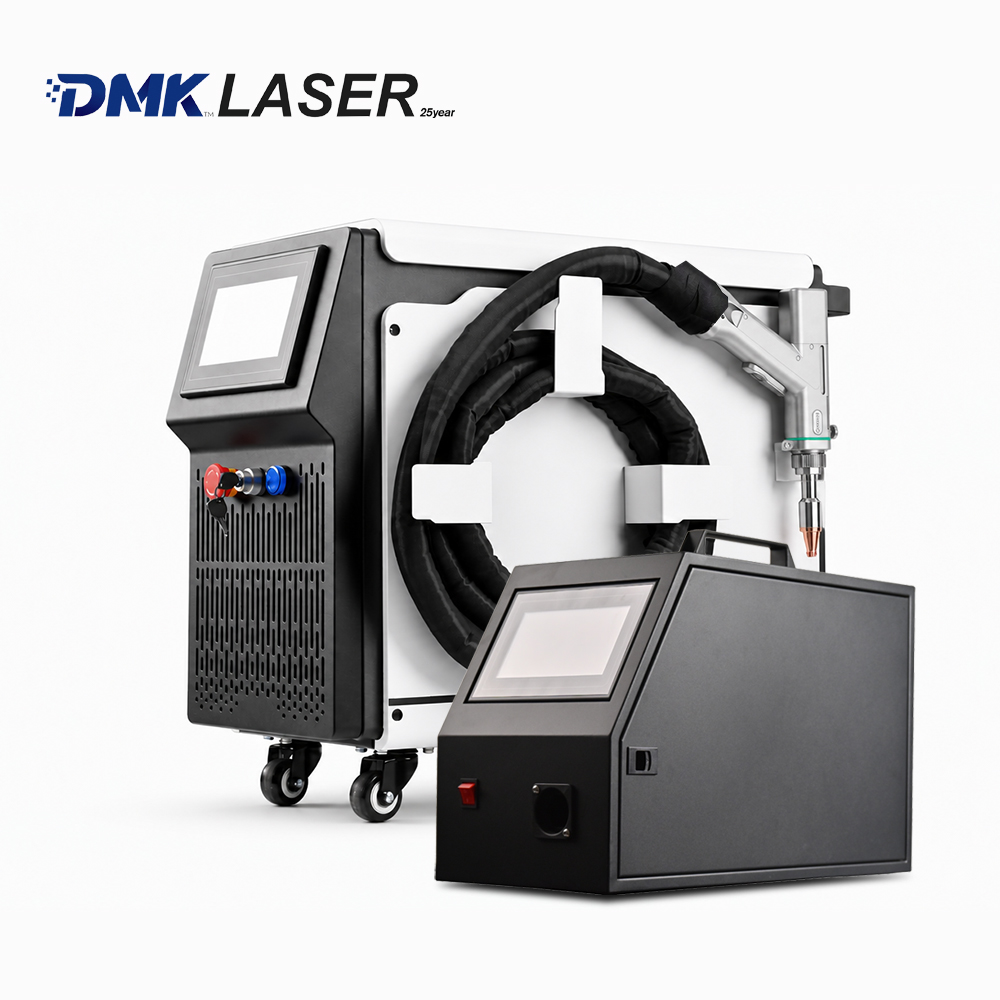
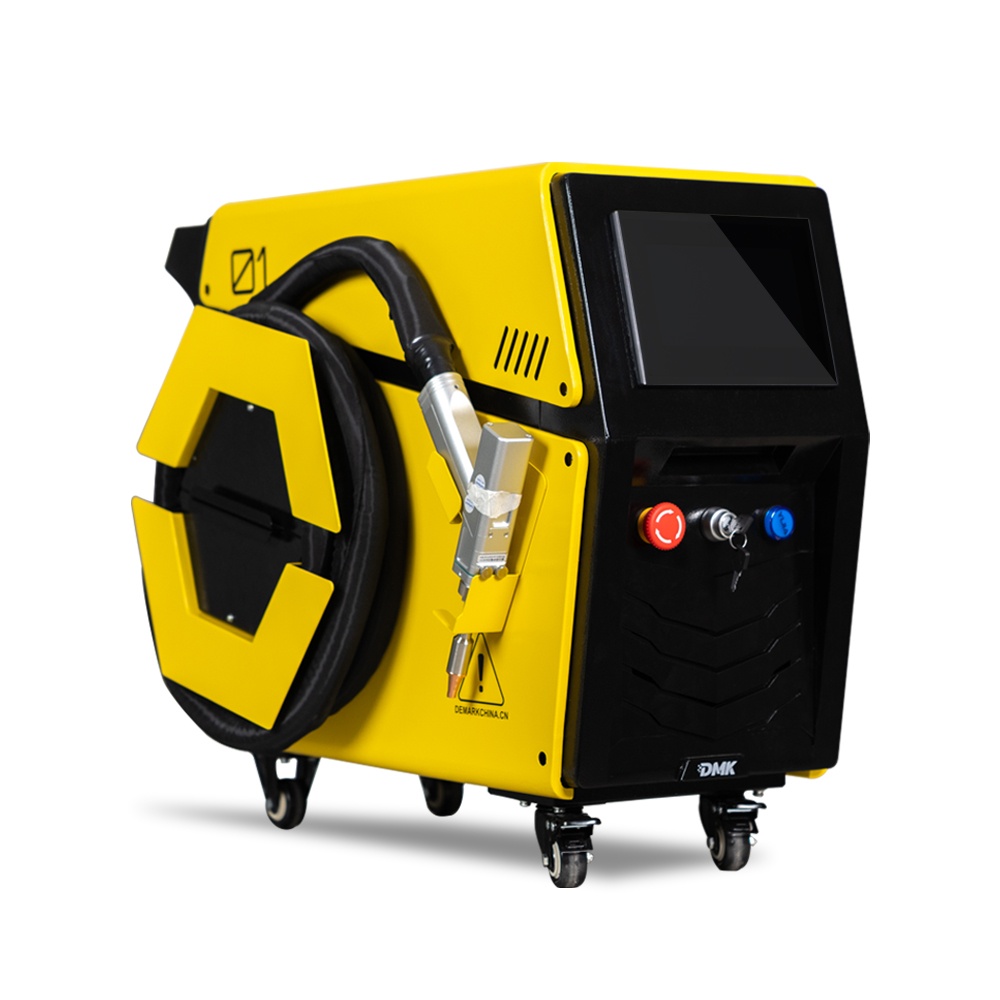
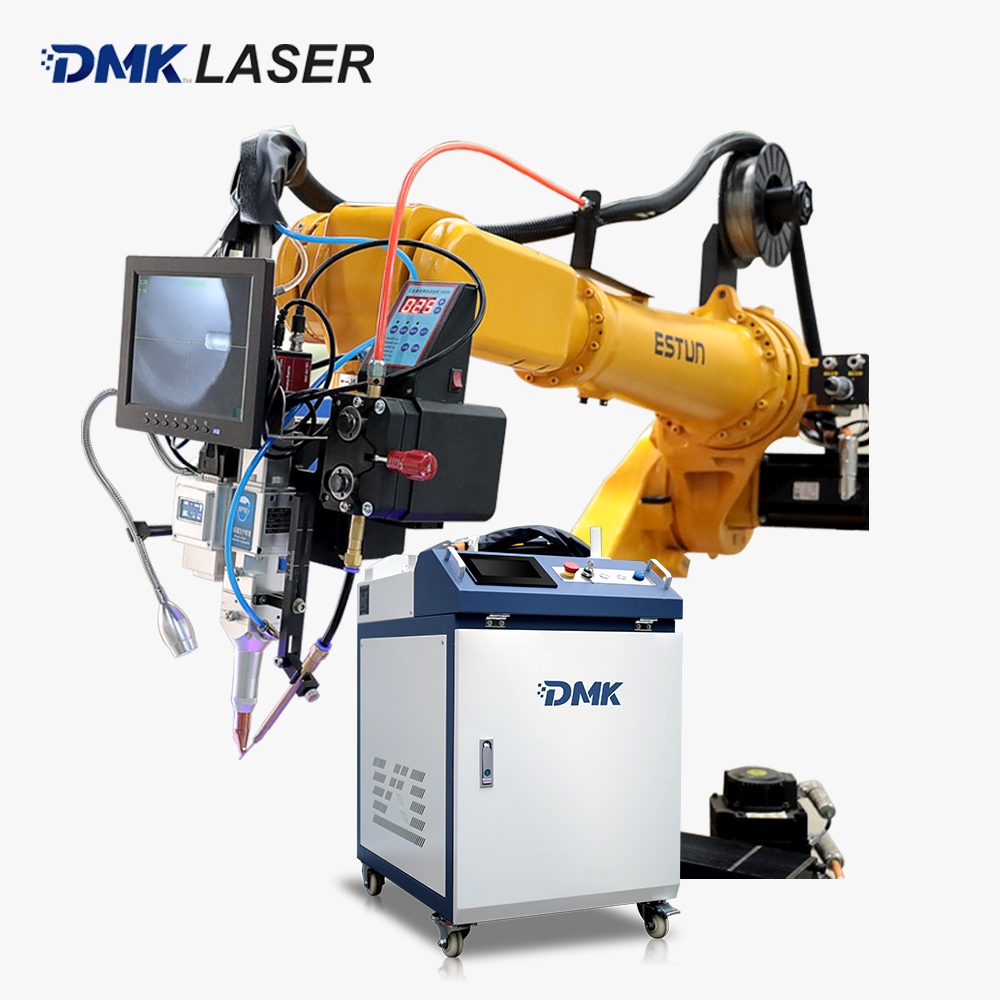
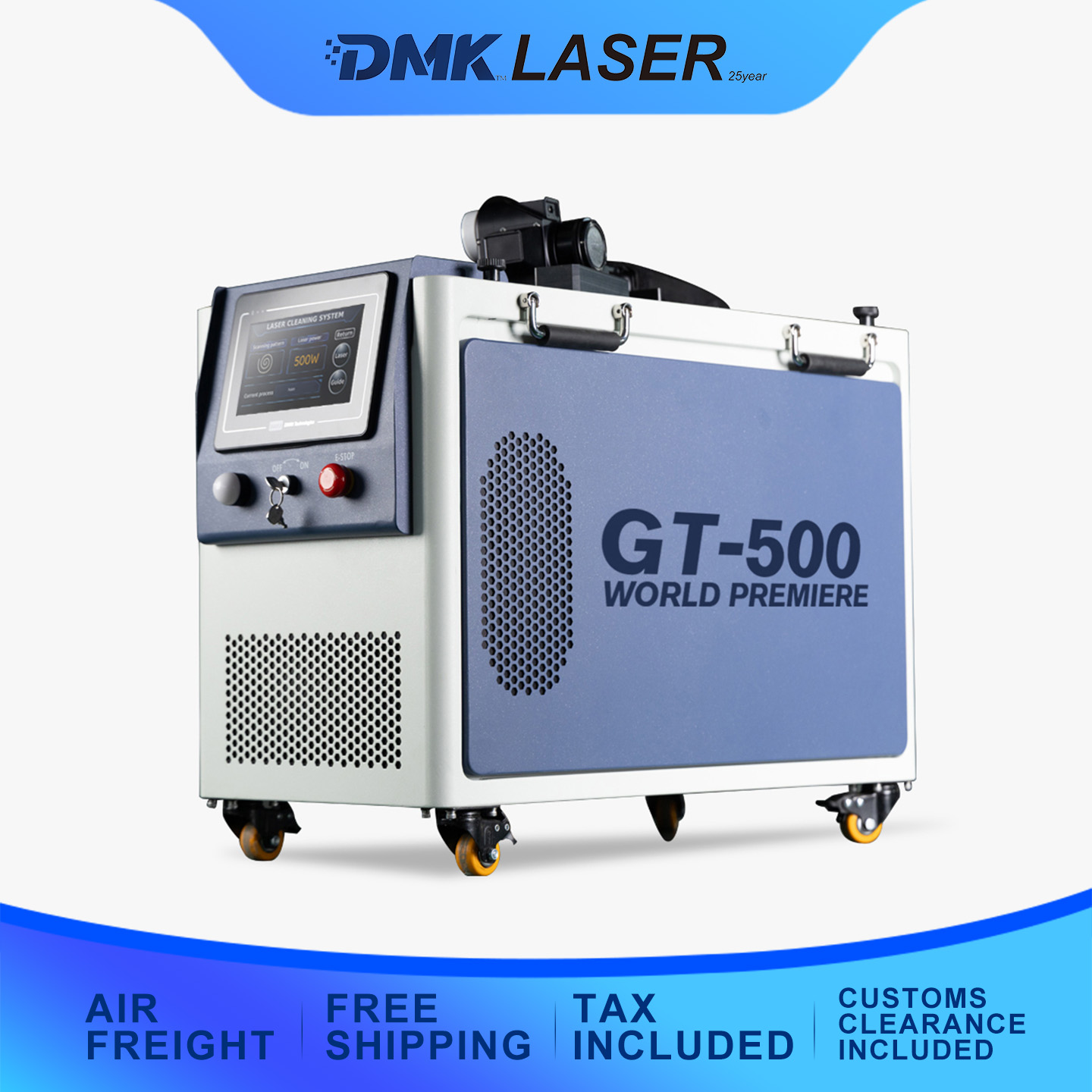
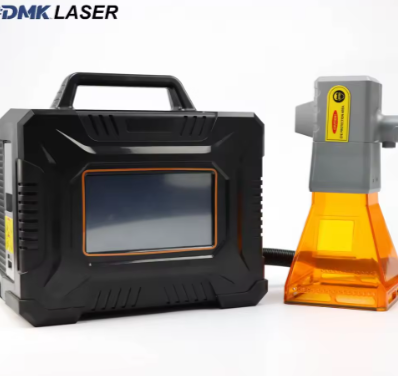
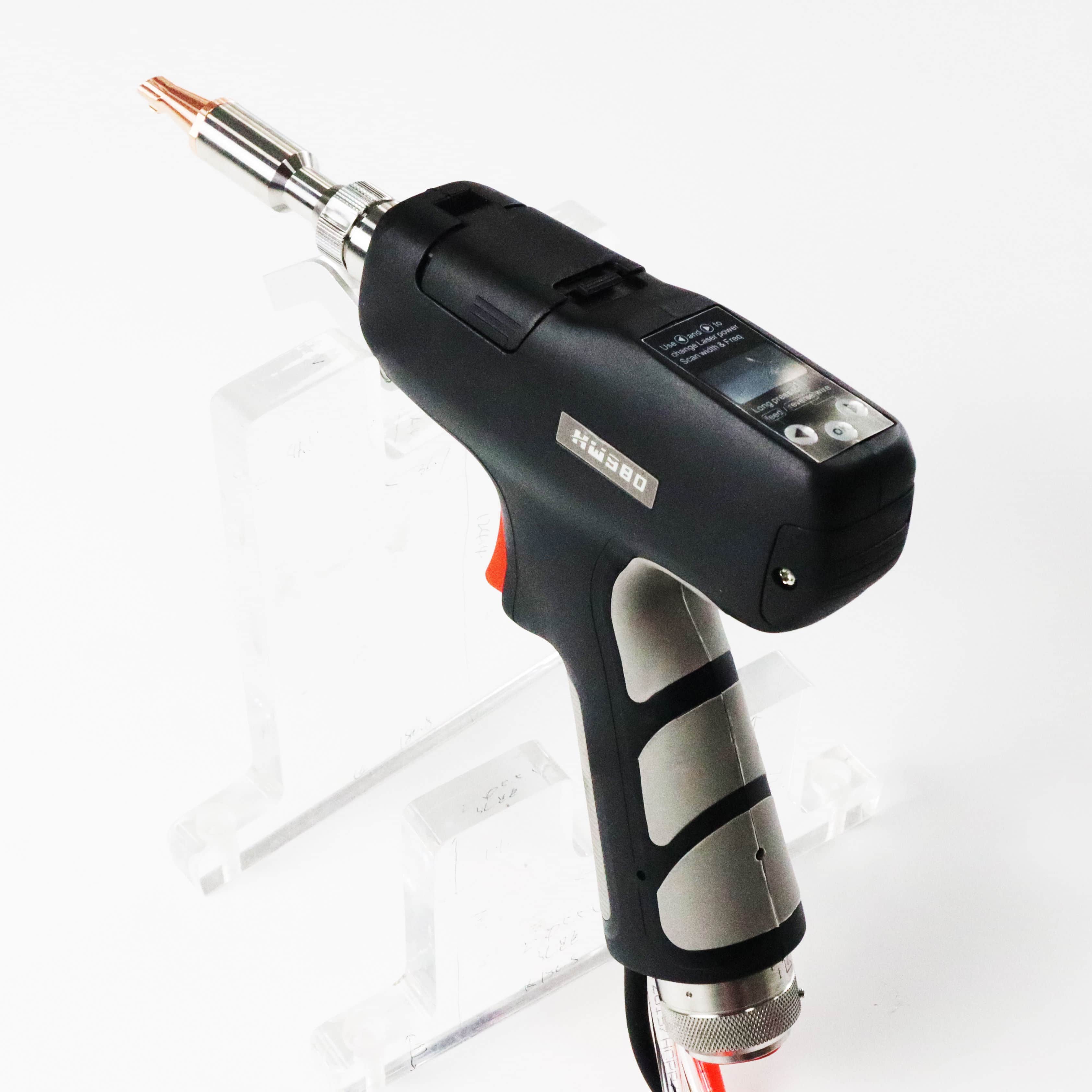
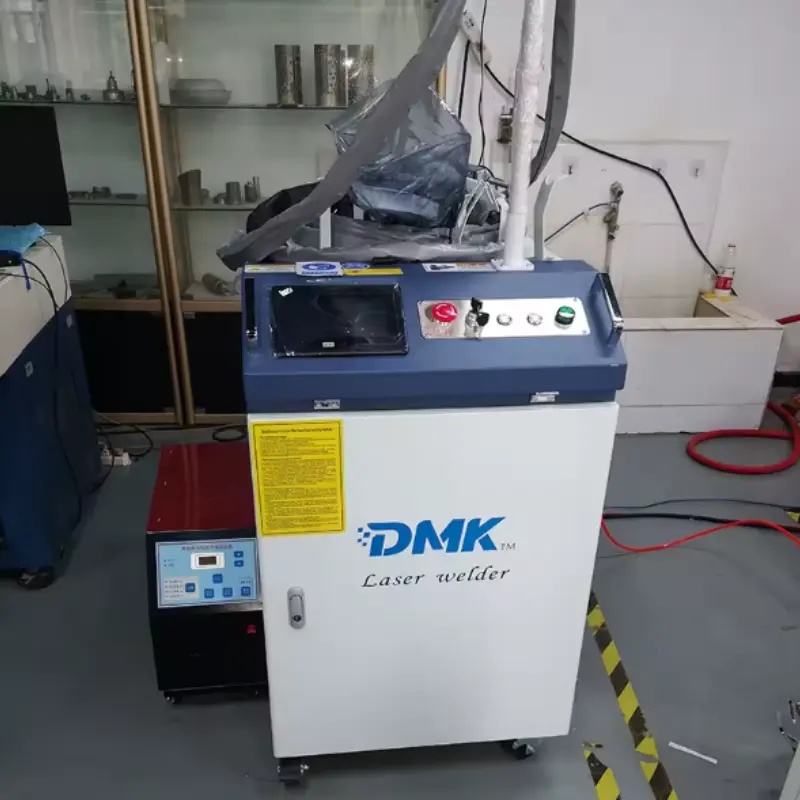
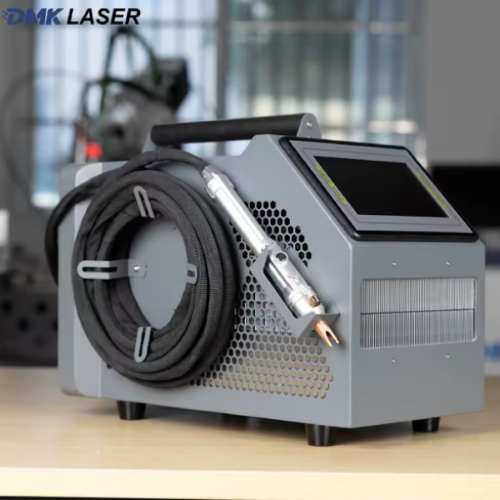
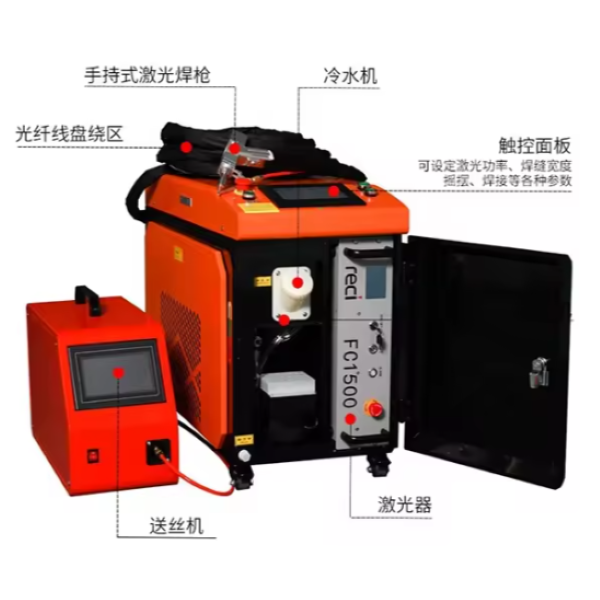
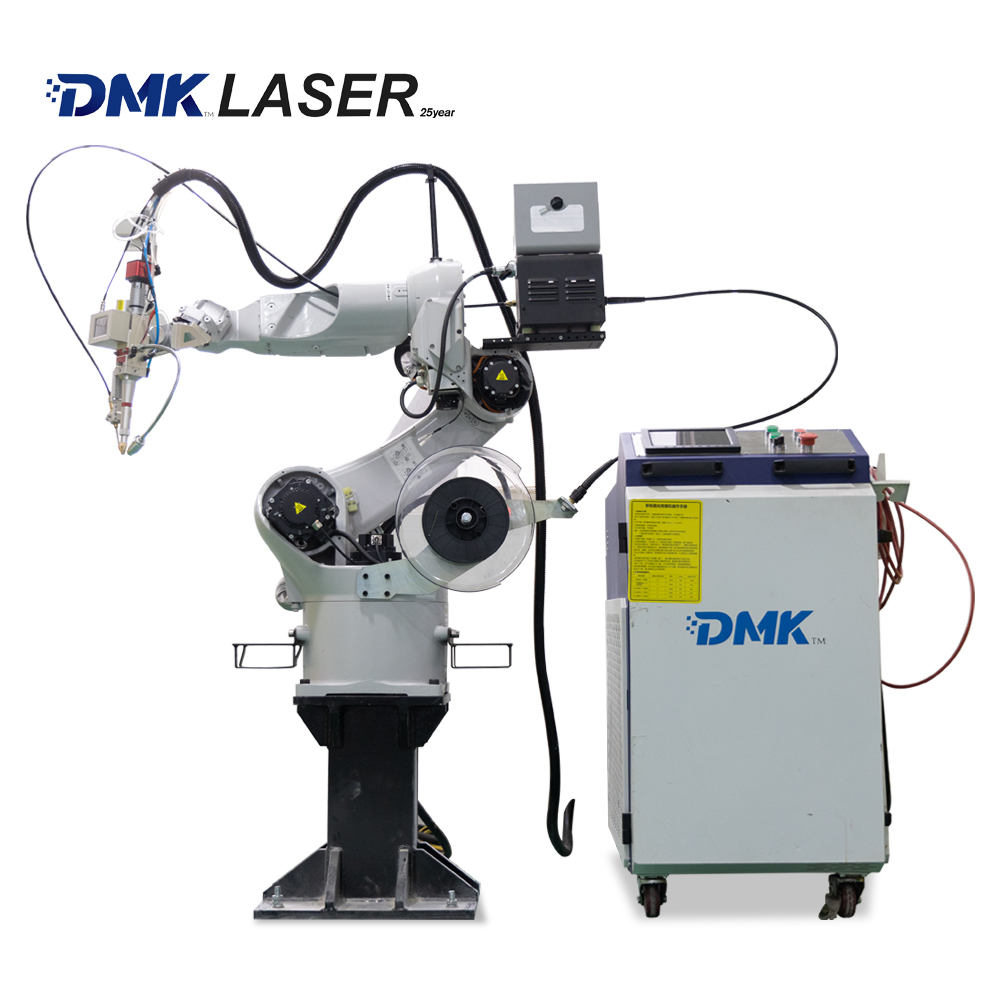
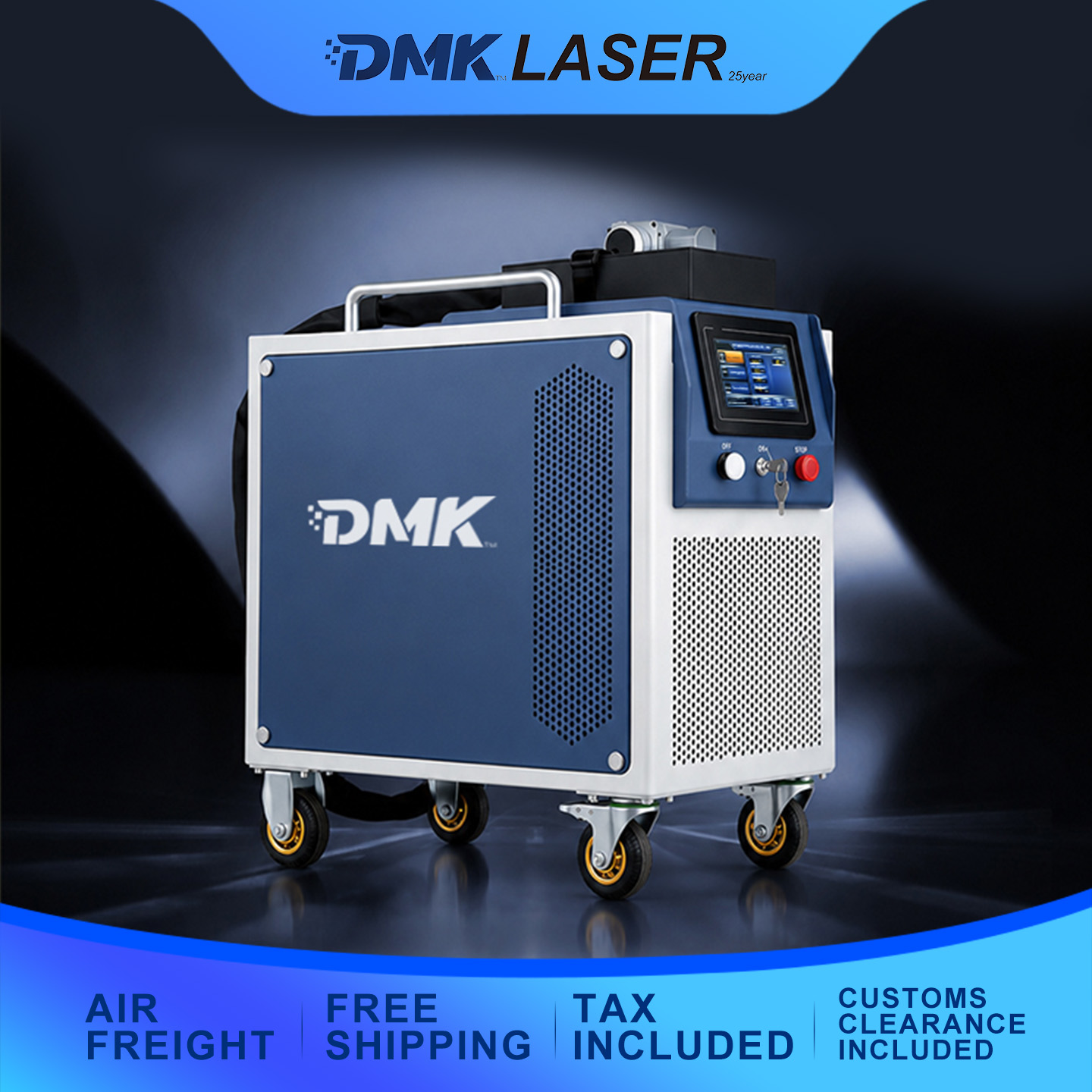
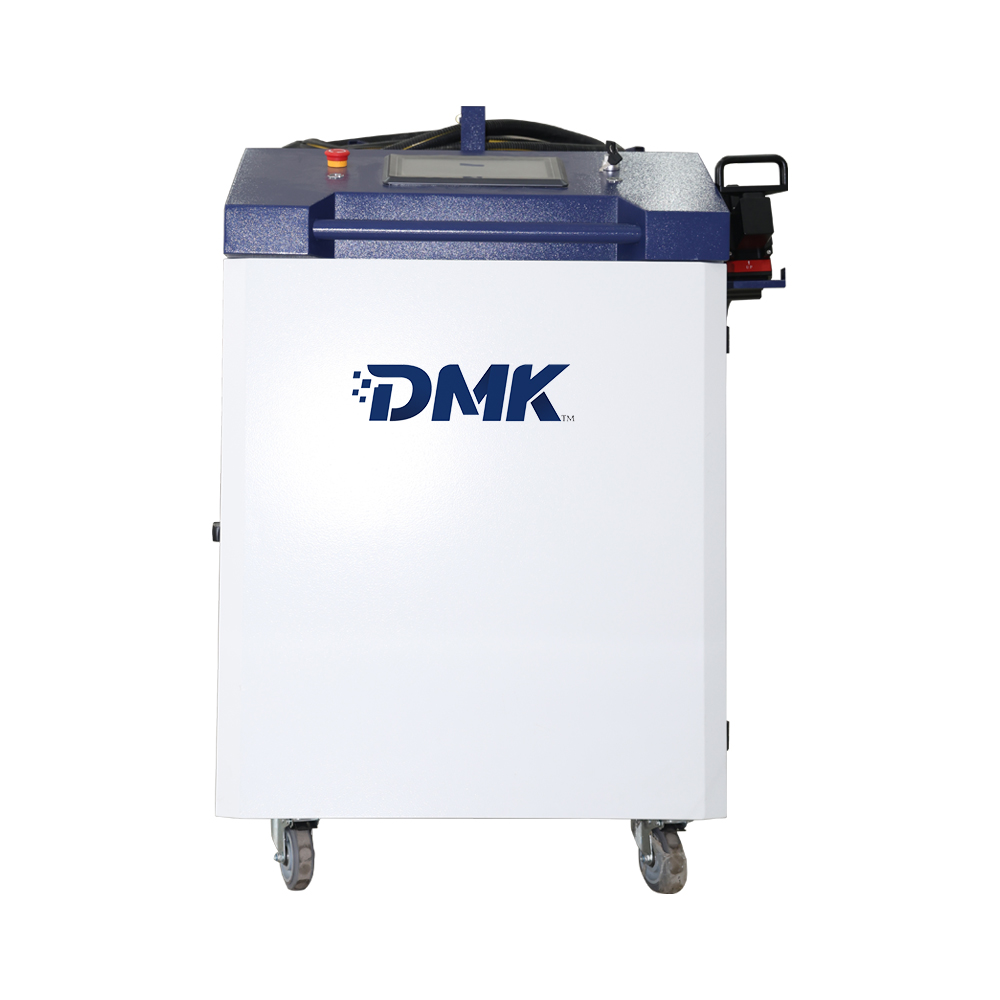
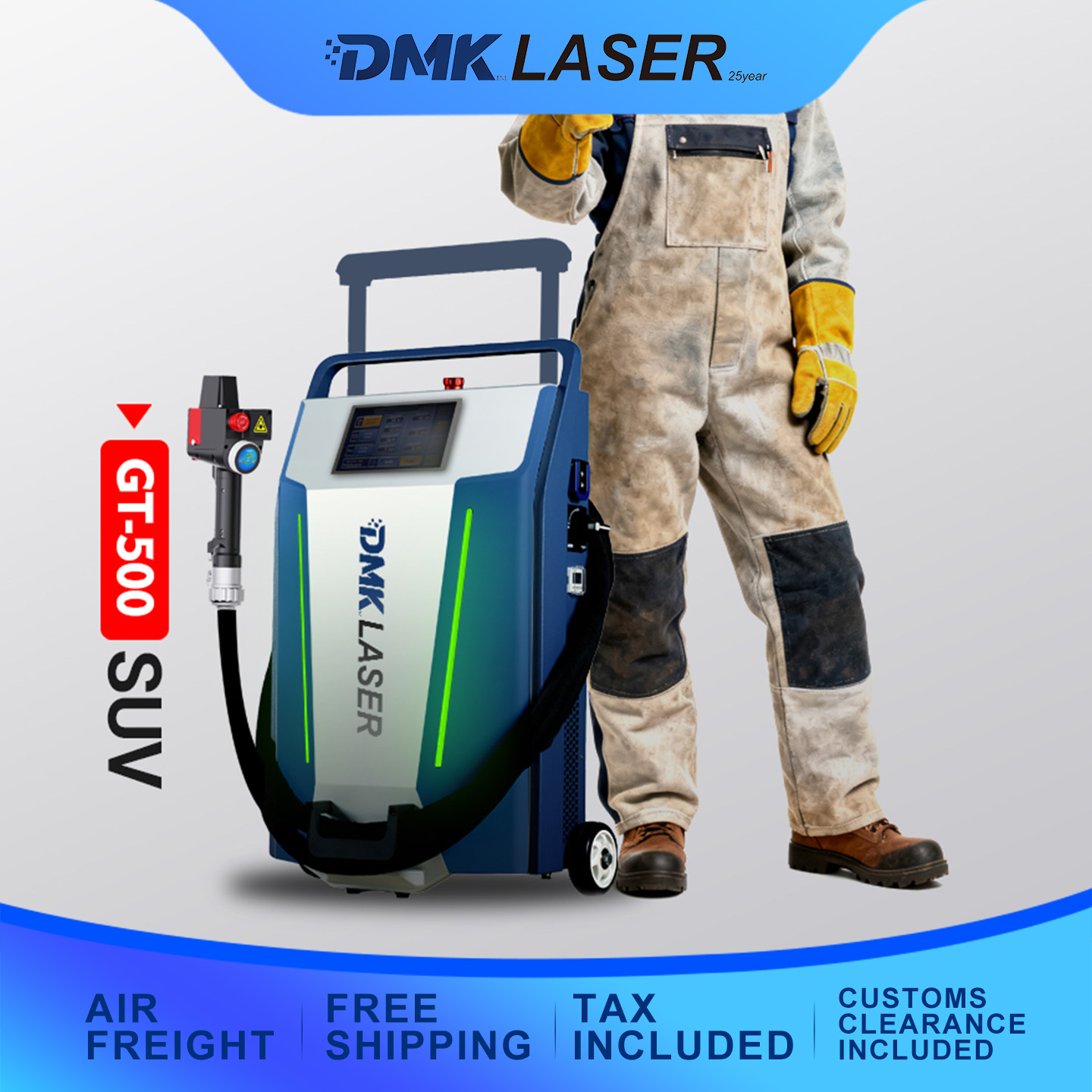
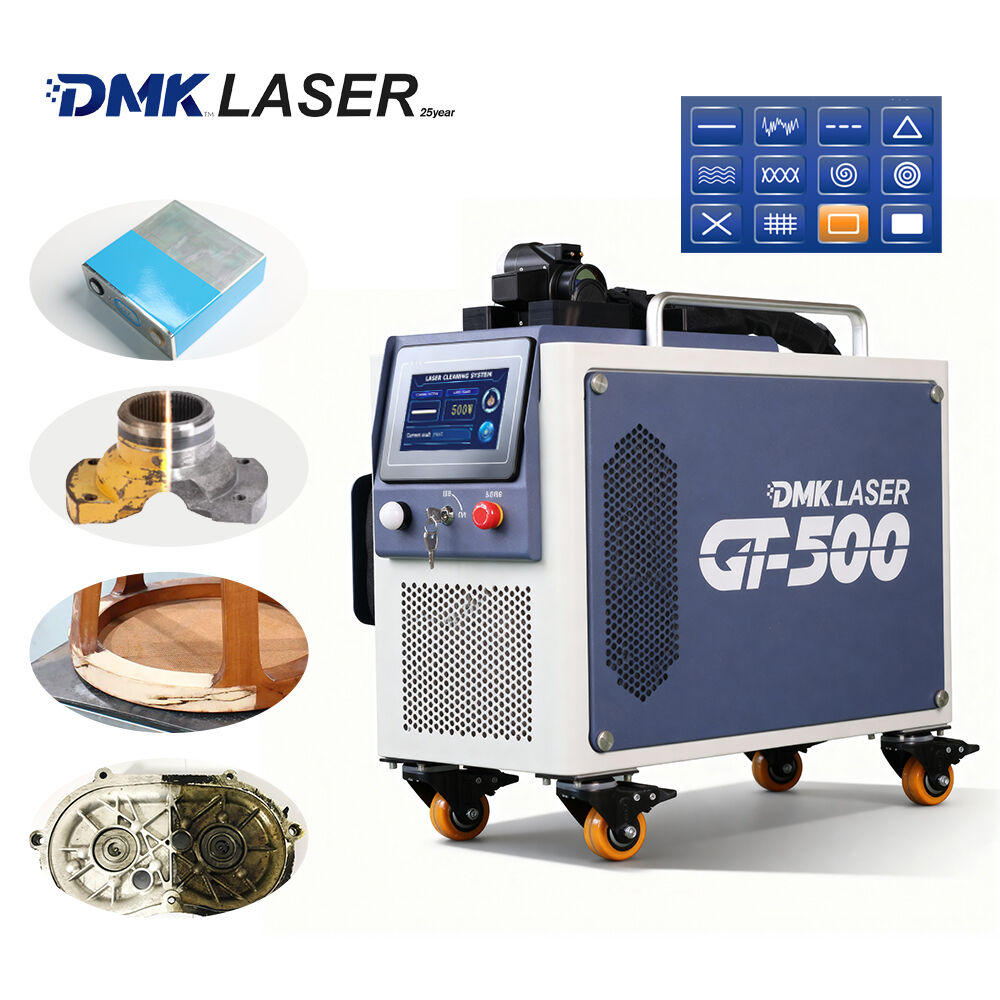
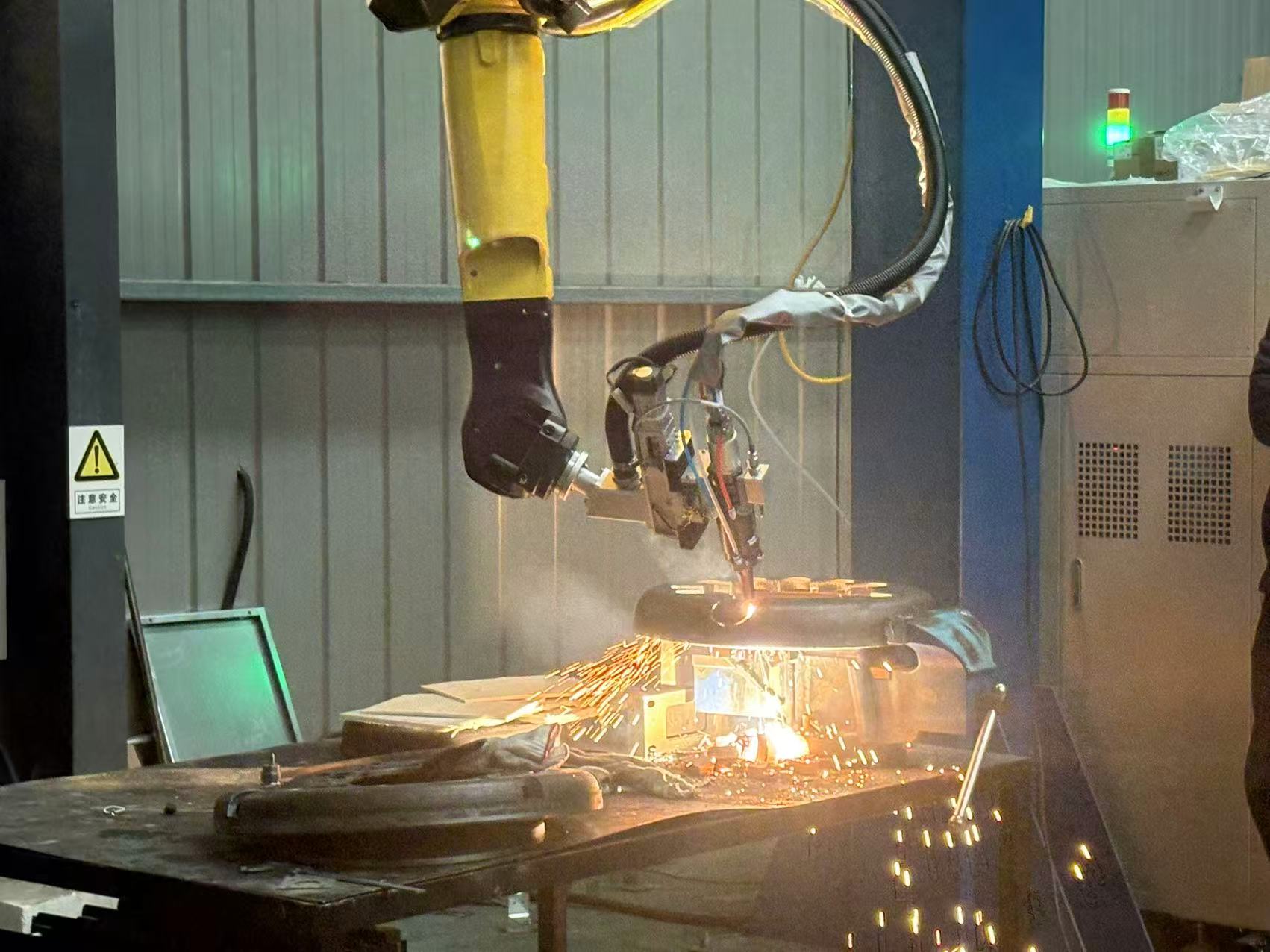
Currently, pulsed laser cleaning has been practically applied in the remanufacturing of automotive transmission parts. Parts cleaned with optimized processes feature flat surface microtopography and significantly reduced surface oxygen content, fully meeting remanufacturing requirements. With technological iteration, pulsed laser cleaning equipment is moving towards portability and automation, capable of coupling with industrial robots to achieve comprehensive and efficient cleaning of parts, adapting to mass production needs.
In the future, with the deep integration of numerical simulation technology and experimental research, pulsed laser cleaning will enable more precise parameter control, and personalized process schemes for different materials and contaminants will continue to emerge. Meanwhile, the gradual reduction in equipment costs and operational thresholds will promote its popularization in more automotive parts remanufacturing scenarios, injecting sustained momentum into the green and circular development of the automotive industry.