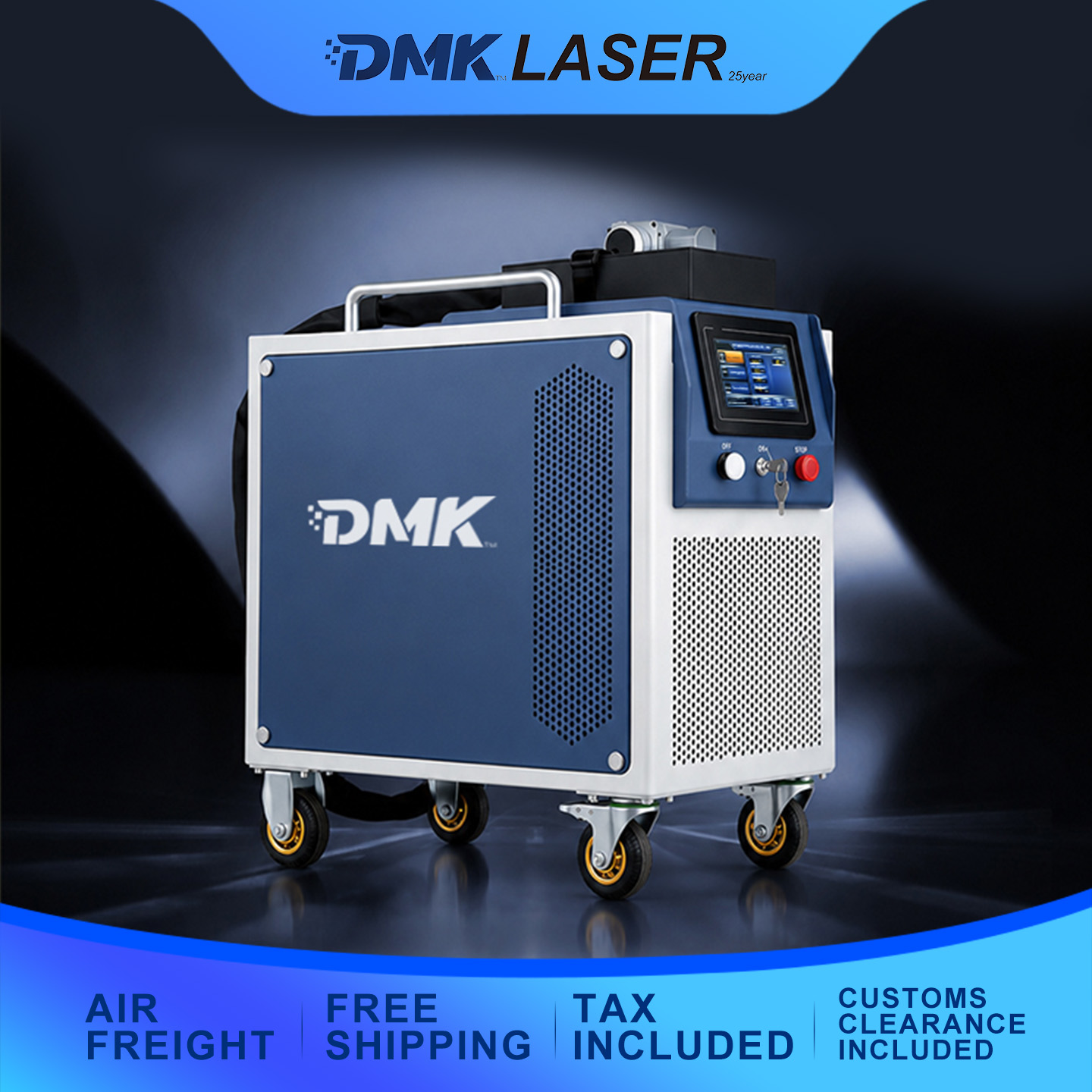
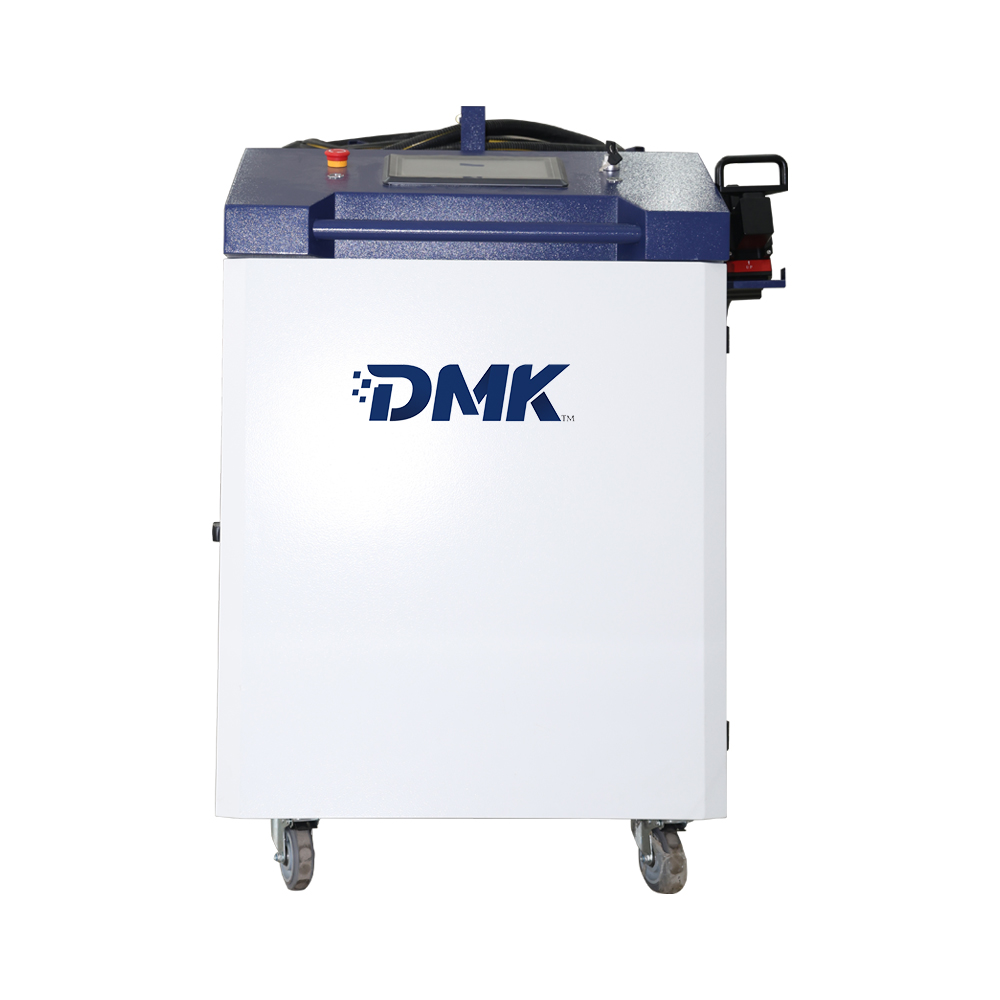
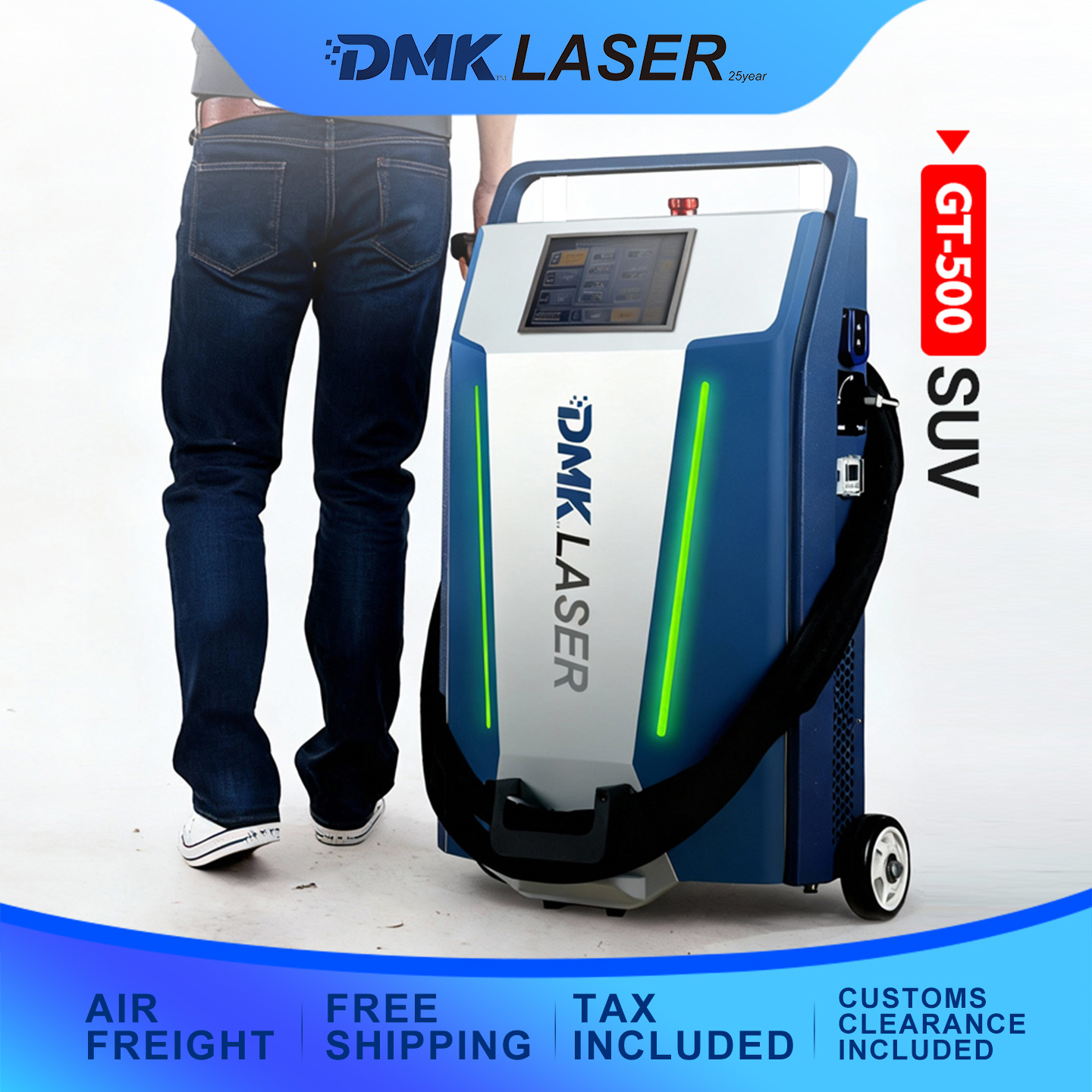
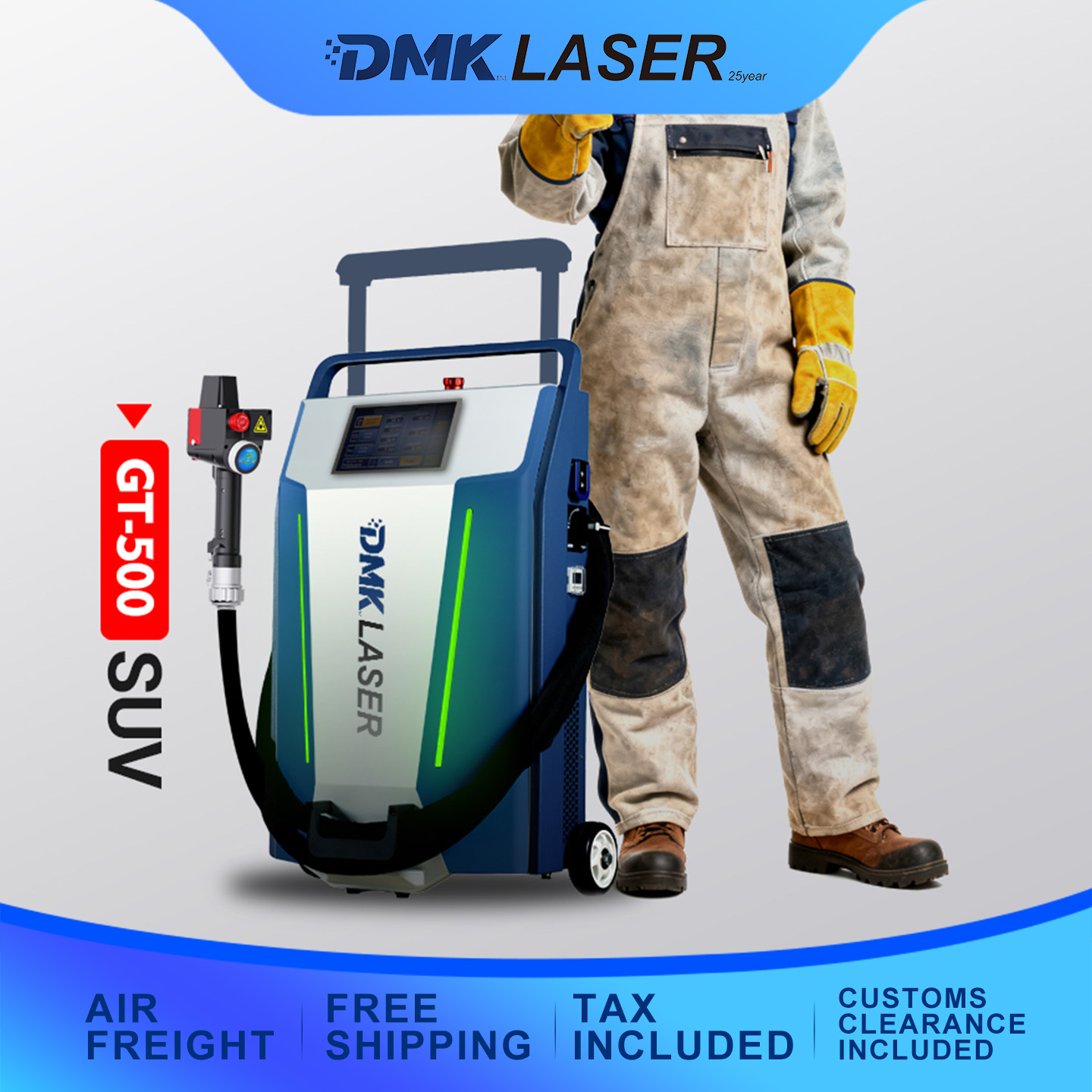
In fields such as industrial rust removal, cultural relic restoration, and precision component cleaning, laser cleaning is gradually replacing traditional processes like chemical cleaning and mechanical grinding, thanks to its non-contact, non-damaging, environmentally friendly, and efficient advantages. The core support behind this technology lies in the rapid development of high-power fiber lasers. As the "heart" of laser cleaning equipment, the performance of high-power fiber lasers directly determines cleaning efficiency, precision, and application scope. With the advancement of the "Made in China 2025" strategy, domestic demand for efficient and environmentally friendly cleaning technologies is increasingly urgent. The localization breakthrough and technological upgrading of high-power fiber lasers are injecting strong momentum into the laser cleaning industry, promoting its application in more industrial scenarios.
Why High-Power Fiber Lasers Are the First Choice for Laser Cleaning?
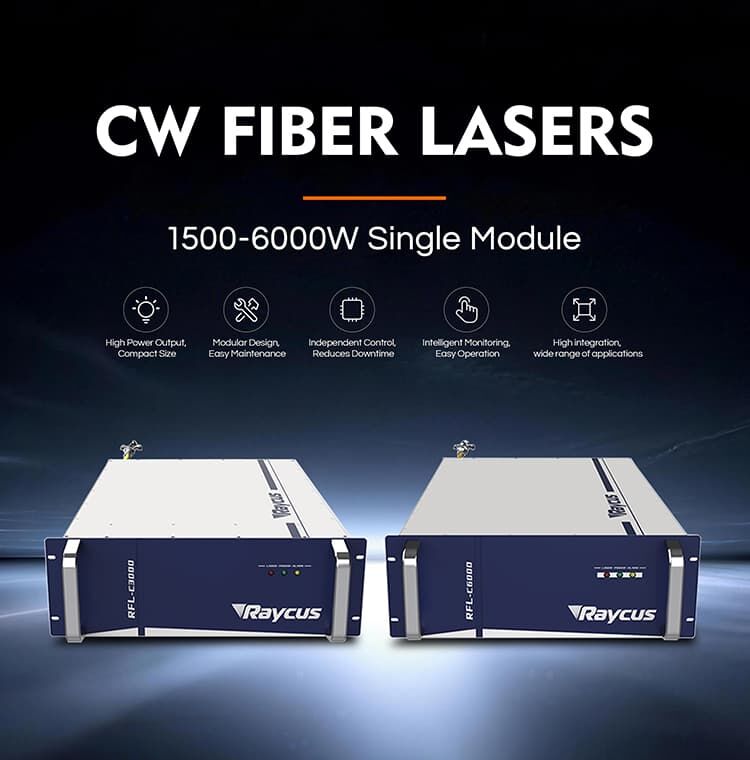
The core of laser cleaning is using high-energy laser beams to act on contaminants rapidly, making them vaporize and peel off instantly—and high-power fiber lasers perfectly match this demand. Compared with traditional CO₂ lasers and YAG lasers, high-power fiber lasers have significant advantages: higher electro-optical conversion efficiency (over 30%, far exceeding the 5%-10% of traditional lasers) and lower energy consumption; excellent beam quality, which, when focused, delivers high energy density to act precisely on contaminants without damaging the substrate; a compact structure and strong stability, suitable for continuous industrial operations; and compatibility with the cleaning of high-reflective materials such as copper and aluminum, offering a wider application range.
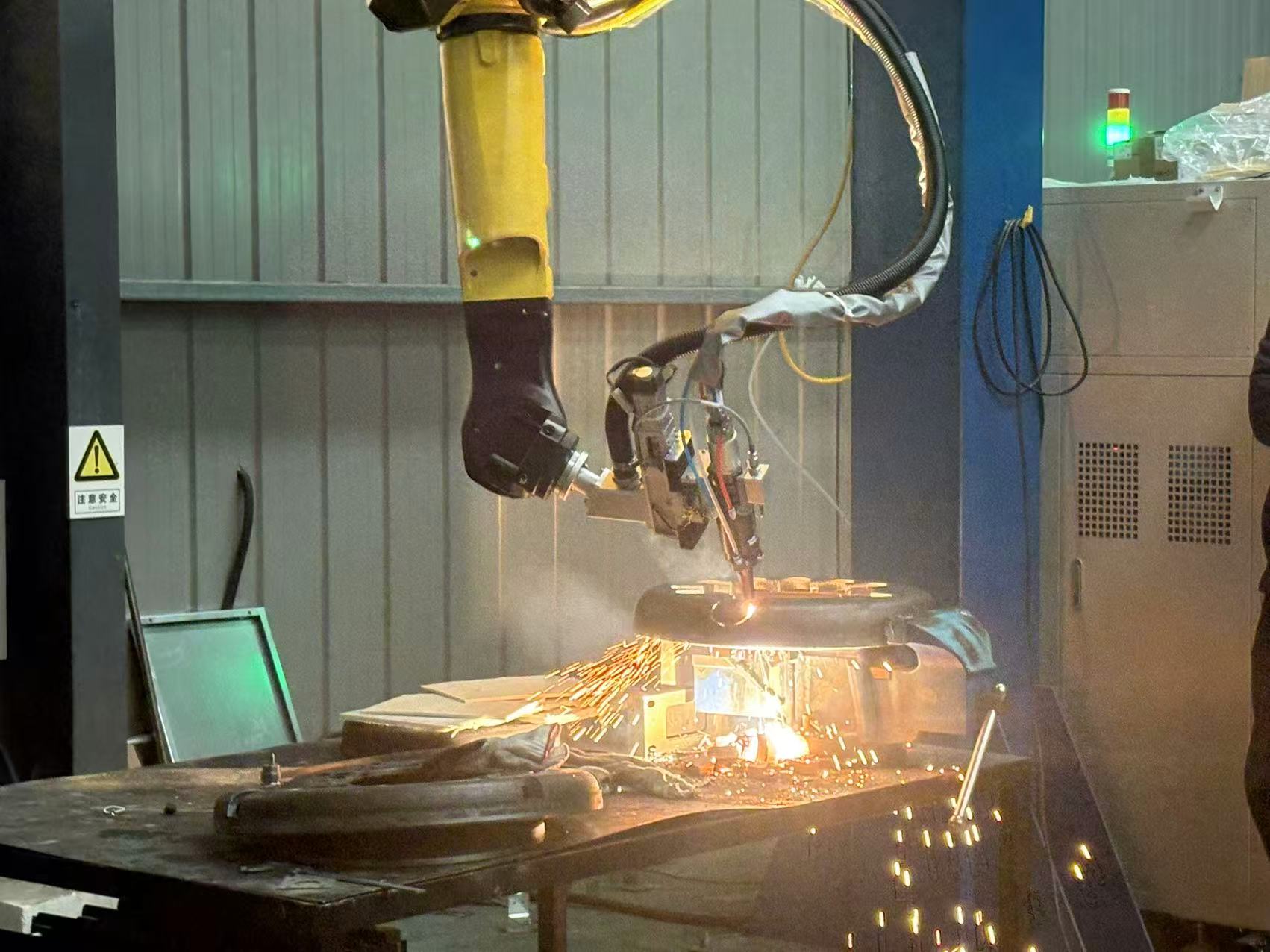
In practical cleaning scenarios, the advantages of high-power fiber lasers are particularly prominent. For example, for thick rust layers on large mechanical parts, kilowatt-class fiber lasers can quickly peel off contaminants in a short time, with a cleaning efficiency several times that of traditional processes; for fragile substrates such as cultural relics and precision electronic components, their adjustable power output and precise beam control can thoroughly clean while maximizing the protection of substrate integrity. These characteristics make high-power fiber lasers the core selection for laser cleaning equipment and drive the popularization of laser cleaning technology in high-end manufacturing, cultural relic protection, and other fields.
Core Component Upgrades: The Key to Unlocking High-Power Laser Cleaning
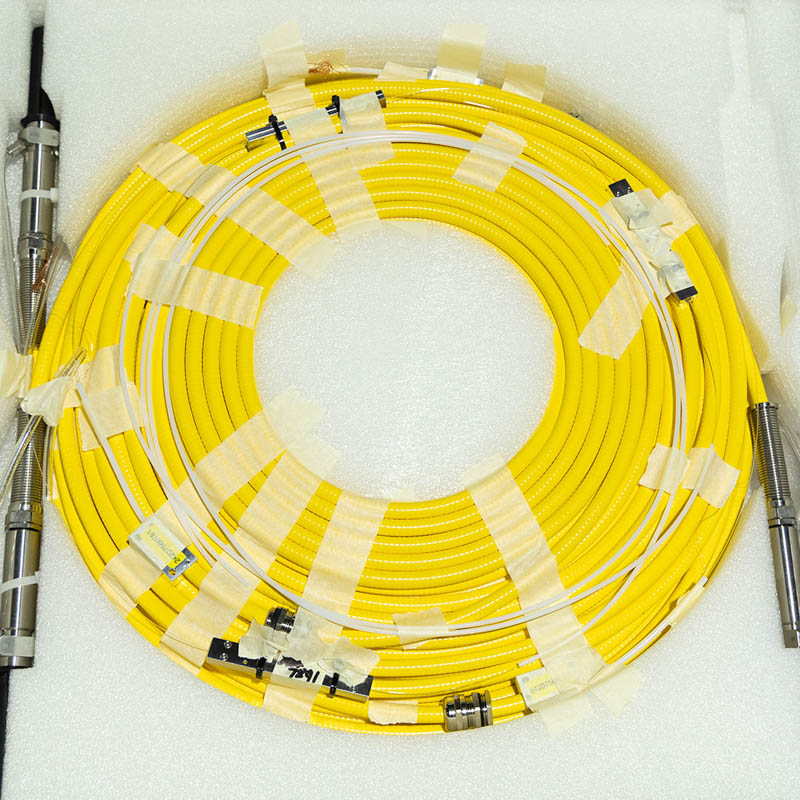
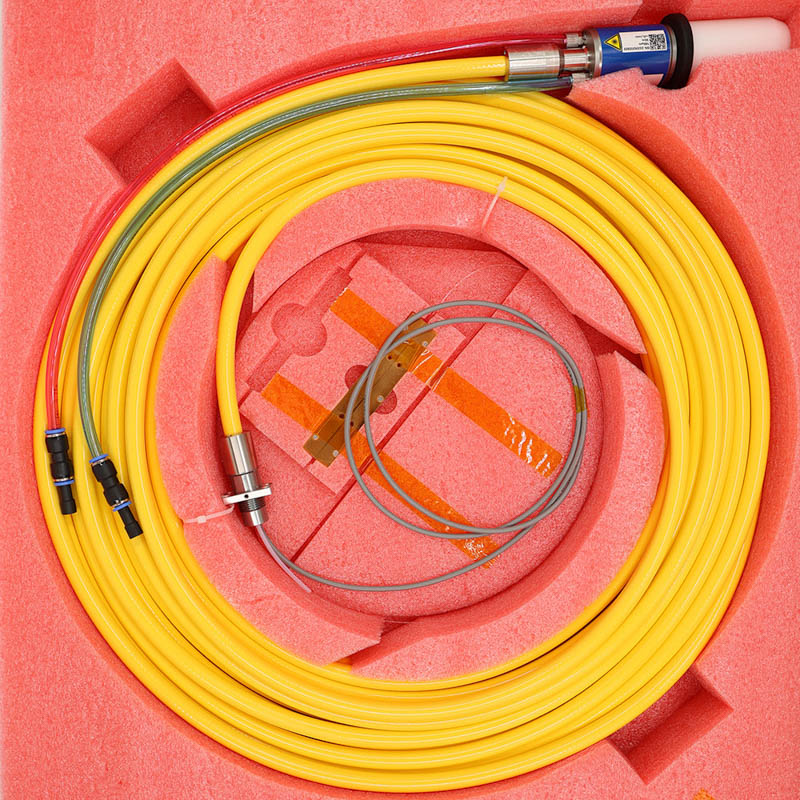
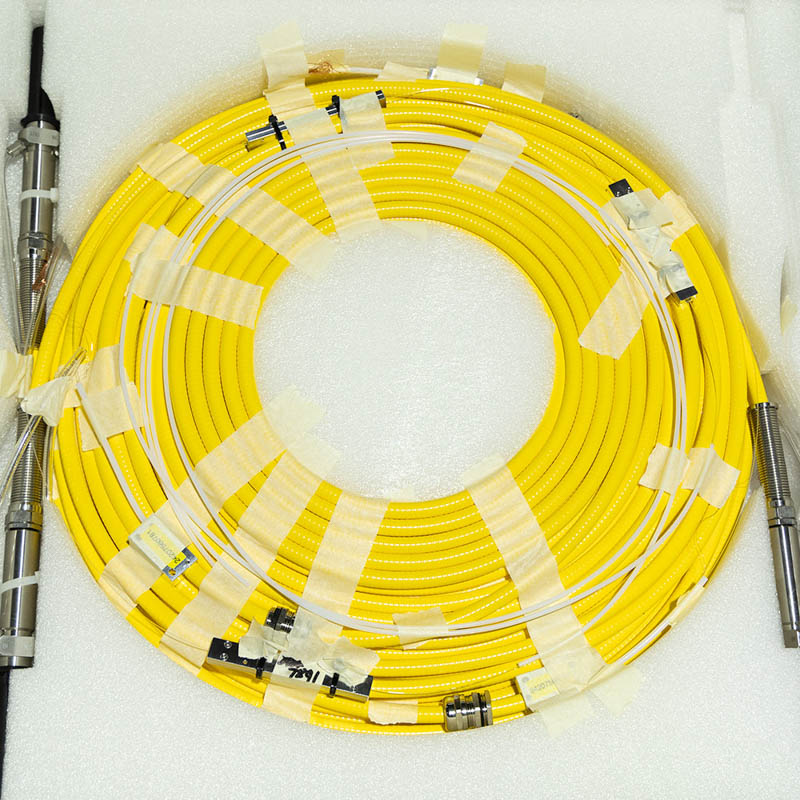
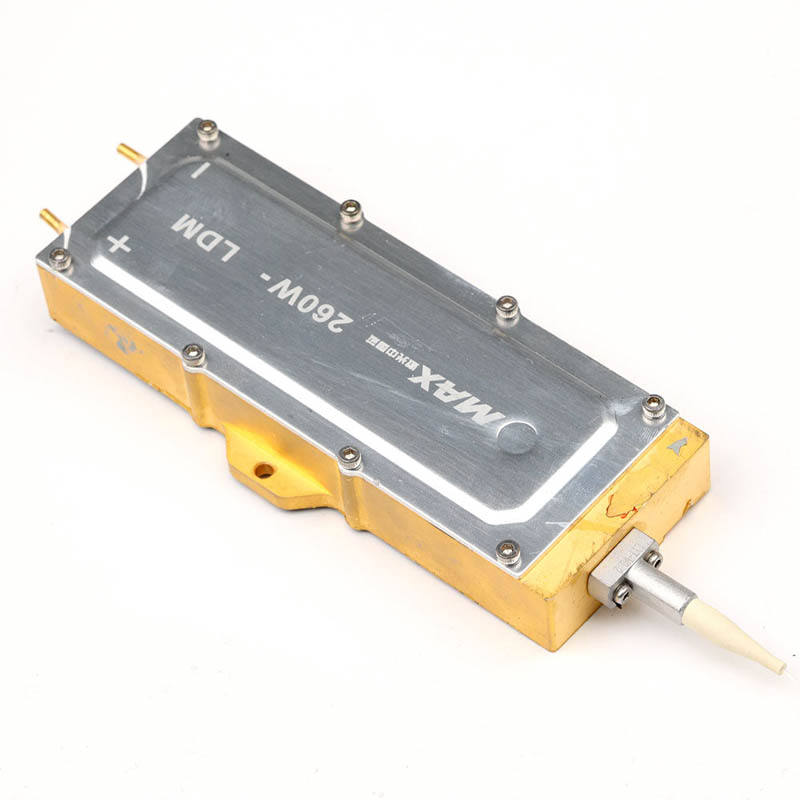
The performance improvement of high-power fiber lasers is inseparable from technological breakthroughs in core components. Key parts such as fiber Bragg gratings, pump combiners, cladding power strippers, and laser output heads collectively determine the laser's power output, stability, and service life. Take fiber Bragg gratings as an example—they can precisely control laser wavelength and reflectivity (up to over 99.5%), ensuring laser energy is concentrated on the cleaning target to support high-power output; pump combiners can efficiently couple multiple paths of pump light with a maximum coupling efficiency of 99.8%, effectively enhancing the overall power of the laser; and cladding power strippers can peel off residual pump light and reflected light, avoiding interference with cleaning results or damage to components, thus ensuring long-term stable operation of the system.
The localization process of these core components is gradually breaking foreign monopolies, reducing the cost of high-power fiber lasers, and making laser cleaning equipment more cost-effective. For instance, China has successfully developed core components for kilowatt-class and even 10-kilowatt-class fiber lasers, achieving a combined power output of 8.7kW, which provides technical support for the efficient cleaning of large industrial components. Technological breakthroughs in core components not only improve the performance of high-power fiber lasers but also expand the application boundaries of laser cleaning, enabling it to meet more complex and challenging cleaning needs.
Application Expansion: Industrial Implementation of High-Power Laser Cleaning
With the maturity of high-power fiber laser technology, the application scenarios of laser cleaning are constantly expanding—from traditional industrial rust and oil removal to more specialized fields. In the automotive manufacturing industry, it can be used for oil cleaning of engine parts and rust removal of body sheet metal, with no need for secondary cleaning after cleaning, directly adapting to subsequent processing; in the aerospace field, it can precisely remove coatings and oxide layers on aircraft components without damaging the substrate, ensuring the precision and performance of the parts; in the cultural relic protection field, high-power fiber lasers in low-power mode can gently peel off dust and dirt on cultural relic surfaces, achieving "non-destructive cleaning"; in the electronic manufacturing field, it can quickly remove residual solder and oil on circuit boards and chips, improving product reliability.
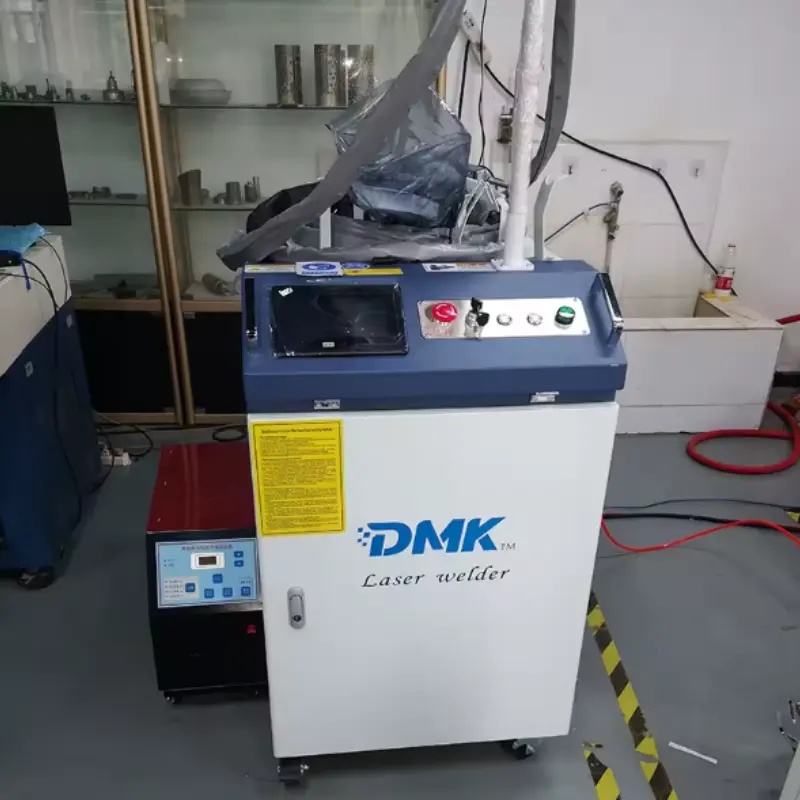
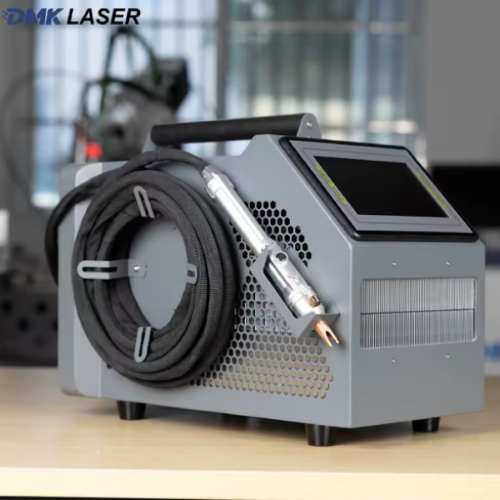
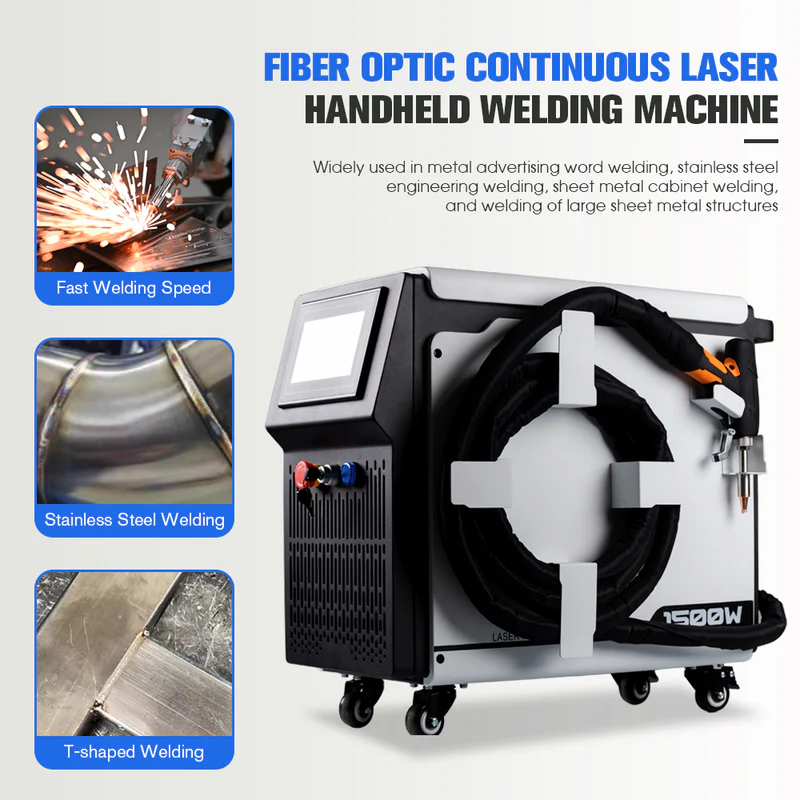
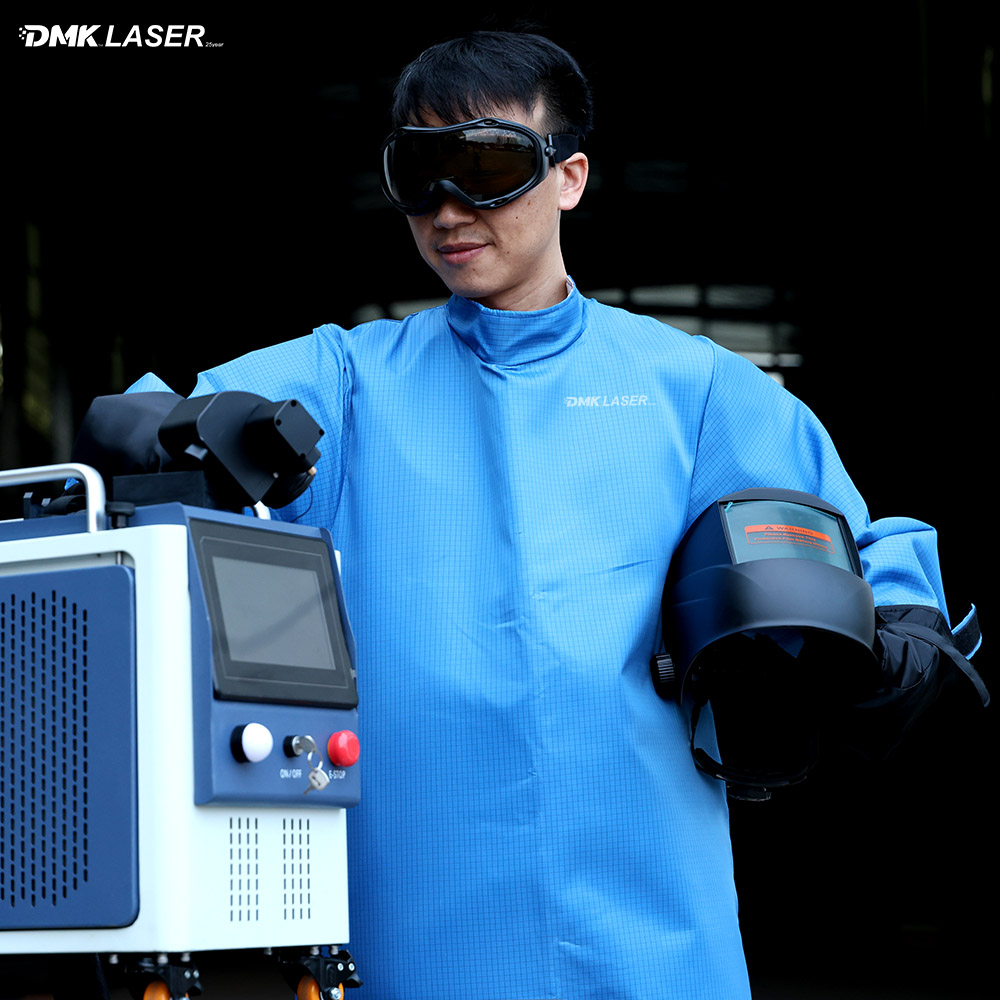
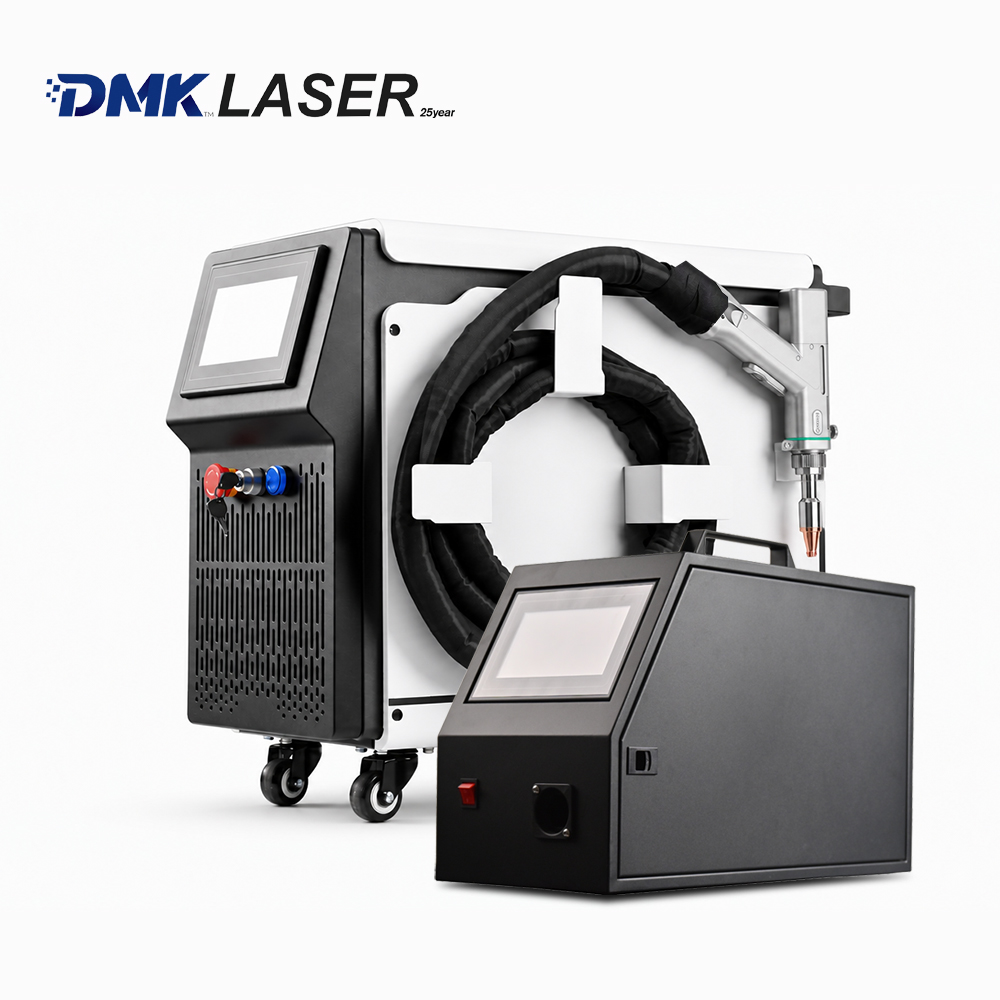
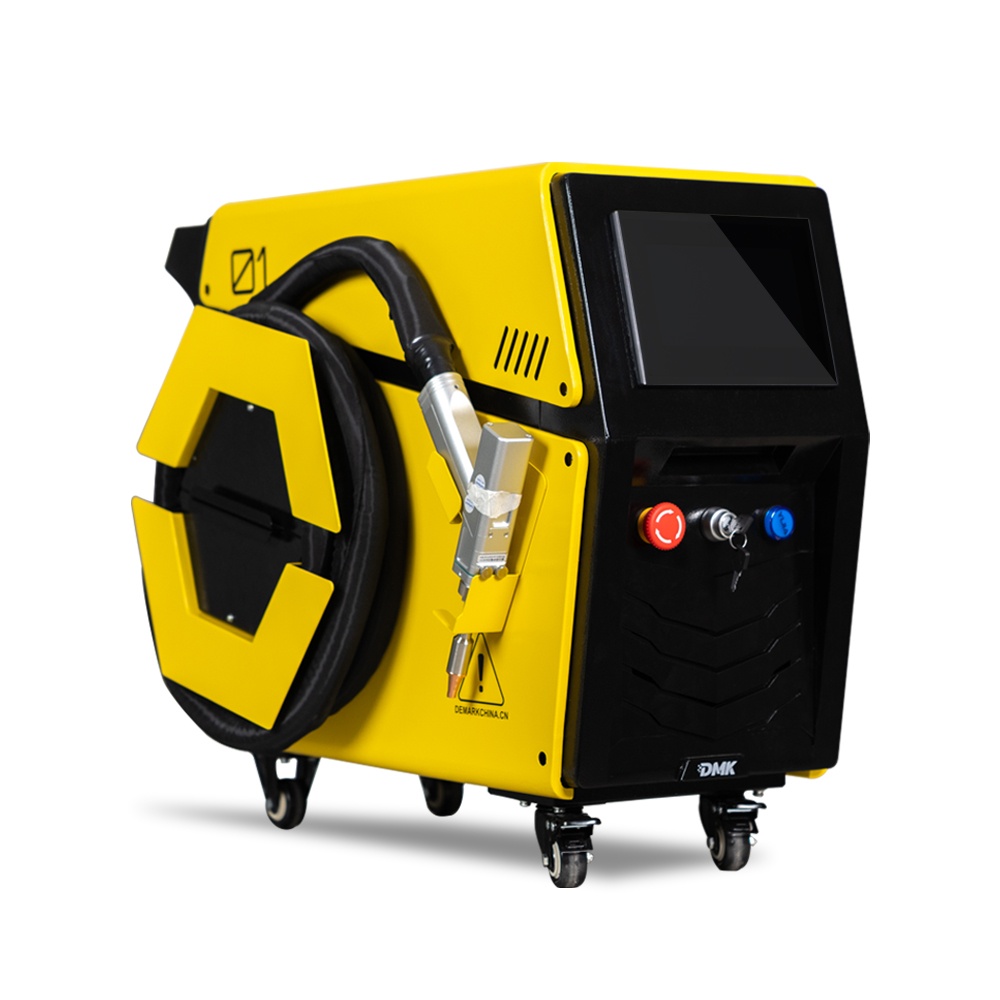
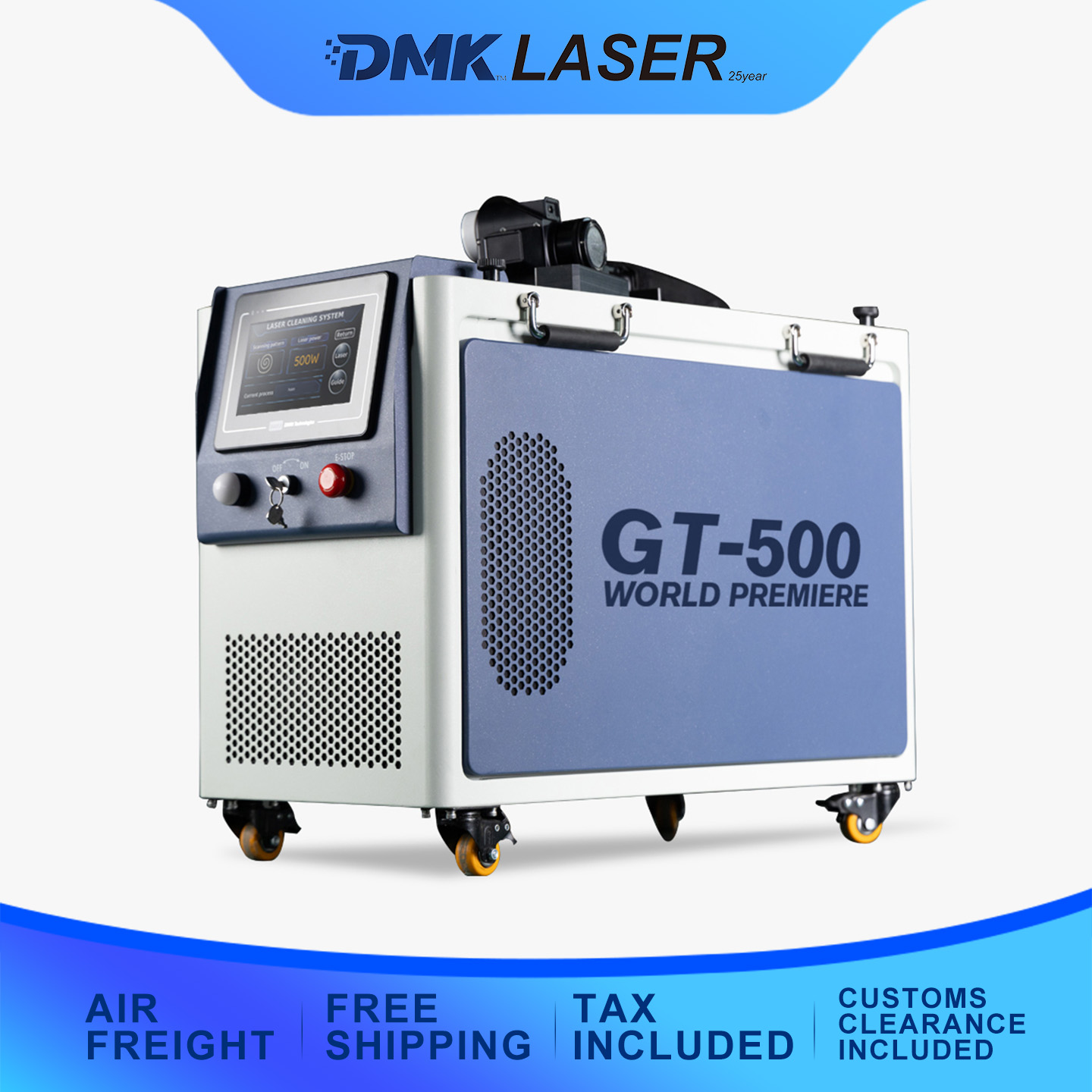
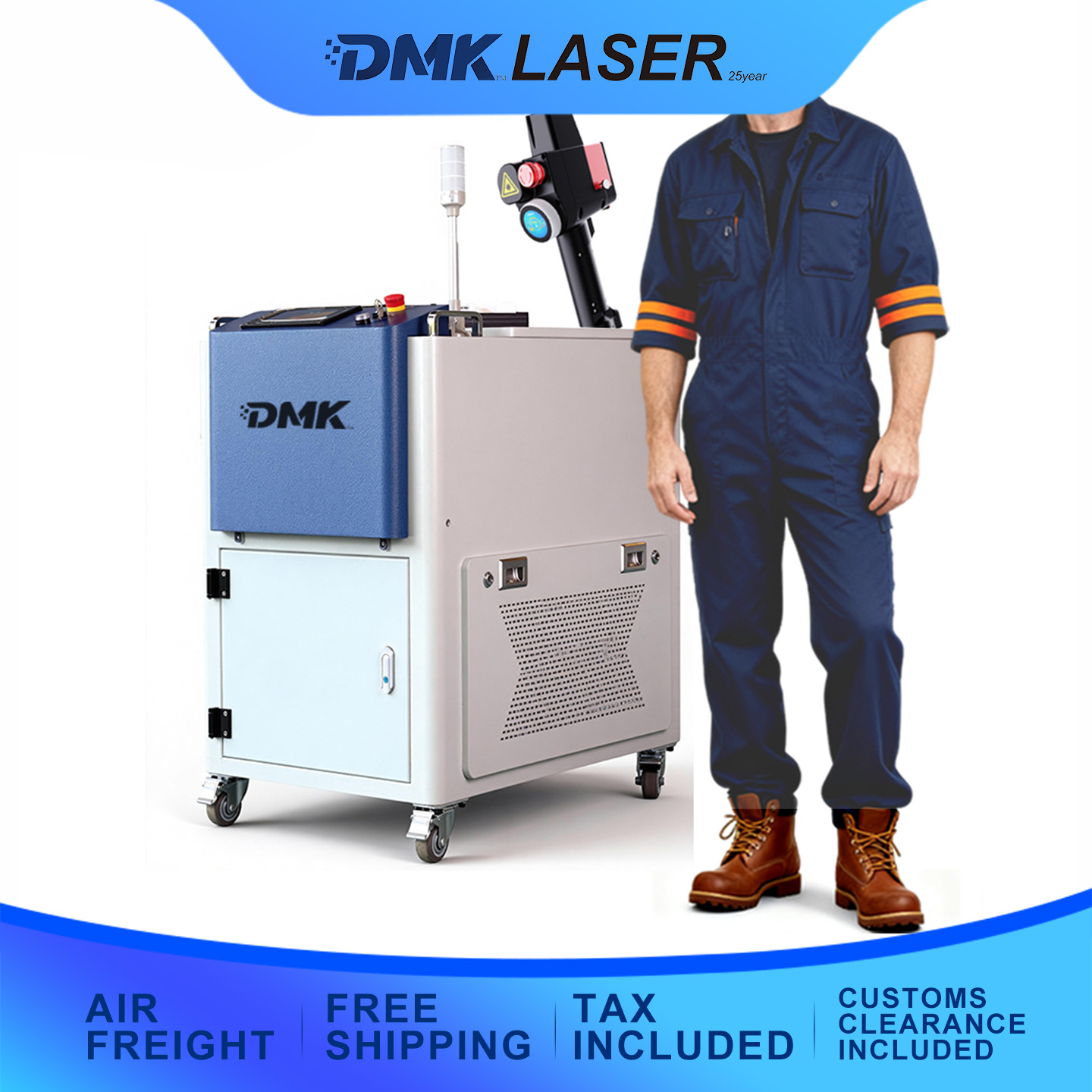
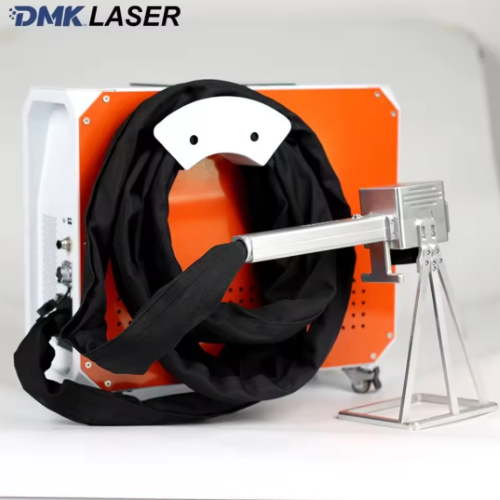
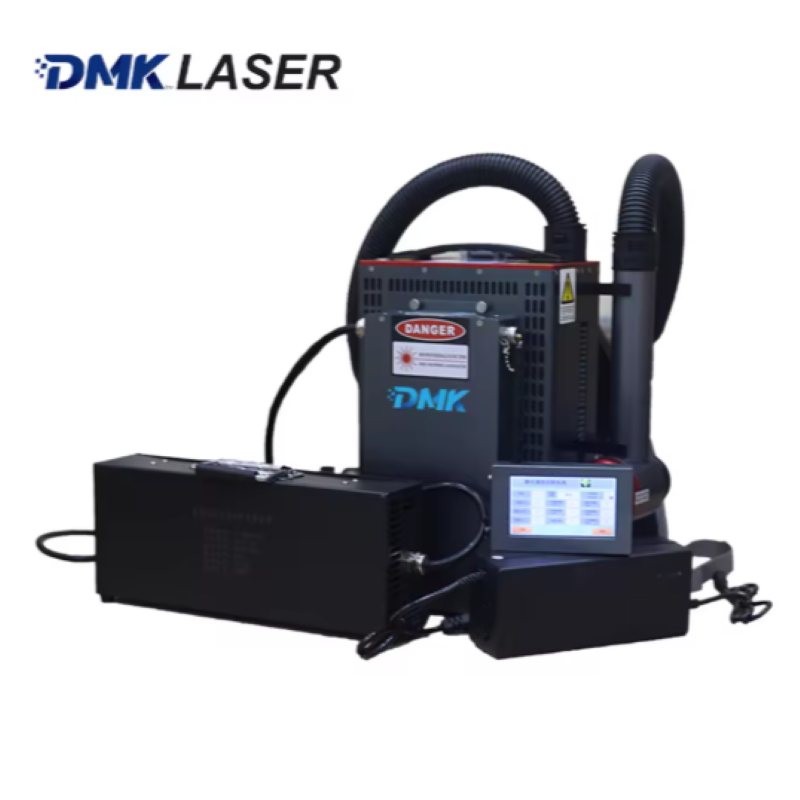
In addition, the portable development of high-power fiber lasers has promoted the mobile application of laser cleaning equipment. For example, portable high-power laser cleaning machines can be directly used for rust maintenance of outdoor large equipment, bridges, and pipelines, requiring no complex installation and offering flexible and efficient operation. These diverse application scenarios not only reflect the technical advantages of high-power fiber lasers but also reflect the broad market prospects of the laser cleaning industry. With continuous technological iteration, its application scope will continue to expand.
Technological Trends: The Future of High-Power Fiber Lasers and Laser Cleaning
In the future, high-power fiber lasers will develop towards higher power, higher stability, and lower costs, further driving the upgrading of the laser cleaning industry. On one hand, 10-kilowatt-class and even higher-power fiber lasers will gradually become popular, meeting the efficient cleaning needs of large industrial components and thick-layer contaminants; on the other hand, the integration and miniaturization of core components will make laser cleaning equipment lighter and easier to operate, lowering the threshold for use. At the same time, the localization substitution process will continue to accelerate—domestic enterprises' technological breakthroughs in core components such as fiber gratings and combiners will further reduce equipment costs, promoting the popularization of laser cleaning technology among small and medium-sized enterprises.
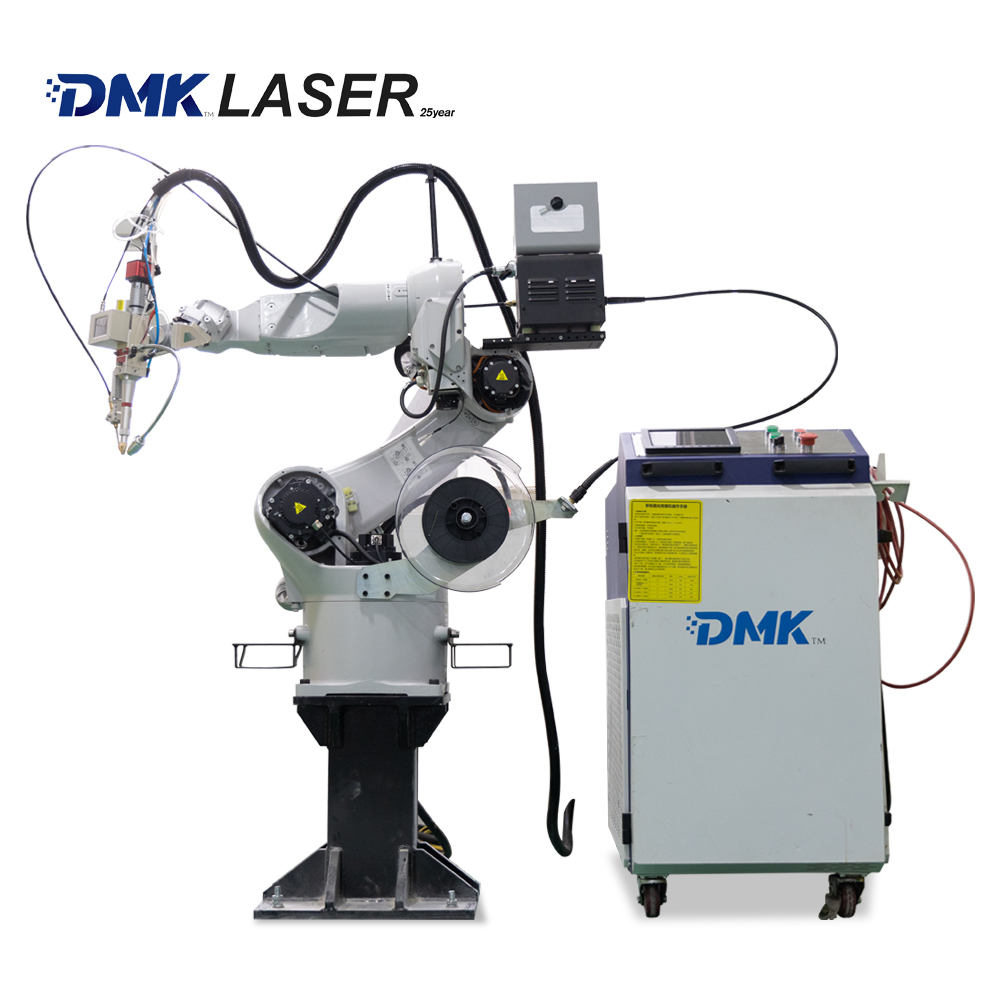
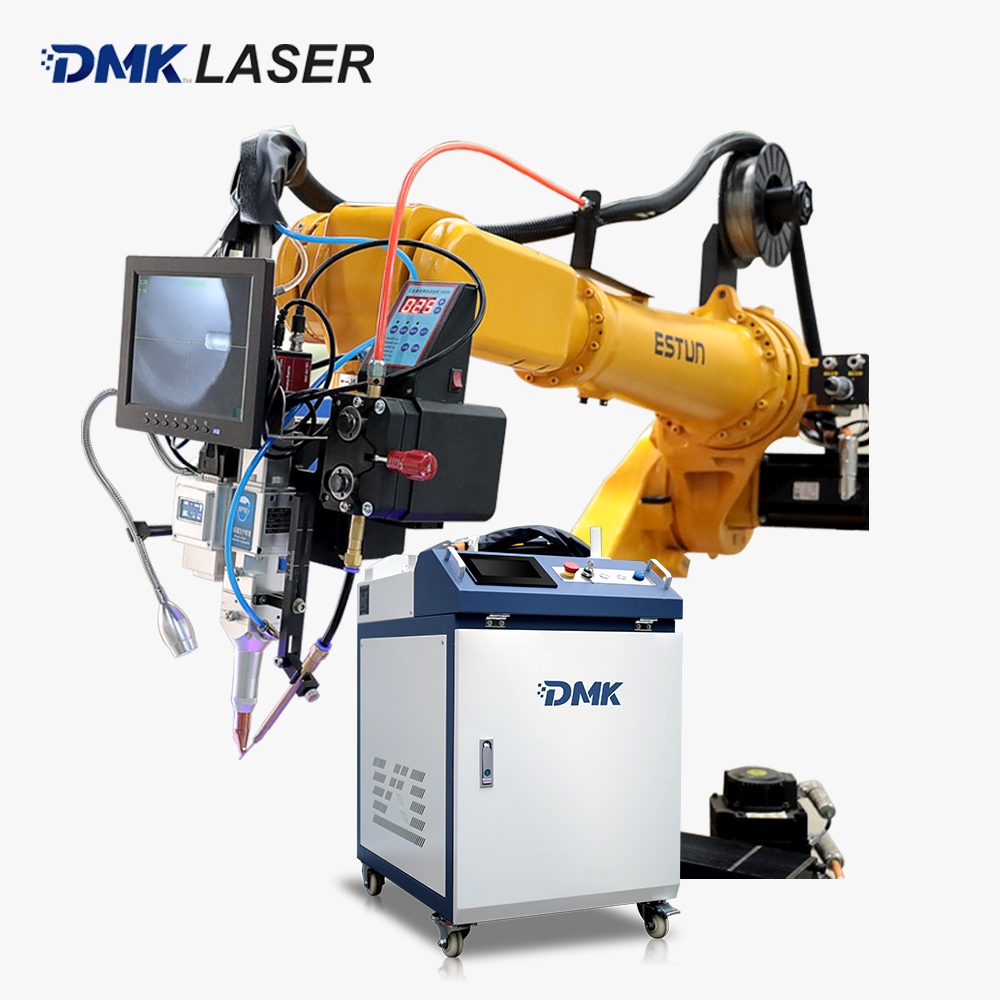
In addition, intelligent integration is also an important trend. The combination of high-power fiber lasers with machine vision and automated control systems can realize precise positioning, path planning, and real-time monitoring of the cleaning process, further improving cleaning precision and efficiency while reducing human intervention. These technological development trends will make laser cleaning the preferred cleaning solution for more industries amid increasingly strict environmental requirements, providing strong support for the green and intelligent transformation of industrial production.


![[DMK] 18x2 Laser Welding Protective Windows 18*2 Lens Raytools BW101 CQWY SUP21T SUP23T WSX D18T2 JGS1 Fused Quartz Double-sided Lens](https://static.dmklaserwelding.com/storage/uploads/images/2026/04/20/1776670462_eEnHpnrG8F.png)